

In affiliate marketing, the source determines everything: from the set of resources and moderation rules to user behavior. Will it be people actively searching for a product, or those scrolling through short videos out of boredom? If you make a mistake at the very start, you’ll just lose money without ever understanding why there are no conversions.
To help you avoid wasting your budget on platforms that don’t fit your product, we’ve broken down all the current types of traffic in affiliate marketing in detail in this article. We compared the features of free and paid sources and prepared a step-by-step plan to help you choose the right platform for your offer and budget.
What Is a Traffic Source in Affiliate Marketing
A traffic source is a specific platform or ad network where affiliates attract users to affiliate program offers. Simply put, it’s any place online with an audience: search engines like Yandex and Google, social networks like Facebook and TikTok, teaser networks, or specialized forums like Reddit.
The chosen platform strictly sets the framework for your work. The source completely determines the size of your starting test budget, the set of necessary resources, and ways to bypass moderation.
Additionally, user behavior depends on the platform. In search engines, people enter precise queries because they need a specific product or service right now. In social networks, it’s the opposite—no one is initially set on making a purchase. To get users to click on an ad and register at a casino or buy a supplement, affiliates use aggressive clickbait and strong triggers in creatives to grab attention in the feed. Because of this difference in user behavior, the same funnel can be profitable in one source and completely drain your budget in another.
Classification: Organic, Conditionally Free, Paid Traffic
All platforms in affiliate marketing are usually divided into three main categories: organic traffic, conditionally free traffic, and paid sources. The main difference between them is the cost of acquiring users, the set of technical tools, and the speed of getting your first leads.
Organic Traffic
Organic traffic is visitors that platforms provide naturally, without launching ad campaigns. This includes classic SEO (ranking content sites and showcases at the top of Google or Yandex results) and ASO (promoting mobile apps within the App Store and Google Play).
The main feature of this type of traffic is high lead quality. Users are actively searching for a specific product or service, so the traffic converts well. Affiliate networks and advertisers value these sources, so they offer minimal hold times and are more likely to approve higher rates.
At the same time, organic traffic requires serious investments of time and money. To rank a site or app for target queries, affiliates hire writers, developers, build a semantic core, and regularly buy links. Keep in mind that the results from this work only appear after several months.
Conditionally Free Traffic
Unlike classic organic methods, this approach allows you to attract an audience much faster thanks to recommendation algorithms in TikTok, Instagram Reels, or YouTube Shorts.
For example, short TikTok videos featuring attractive girls with a dating site link in the profile description are a typical example of free traffic generation.
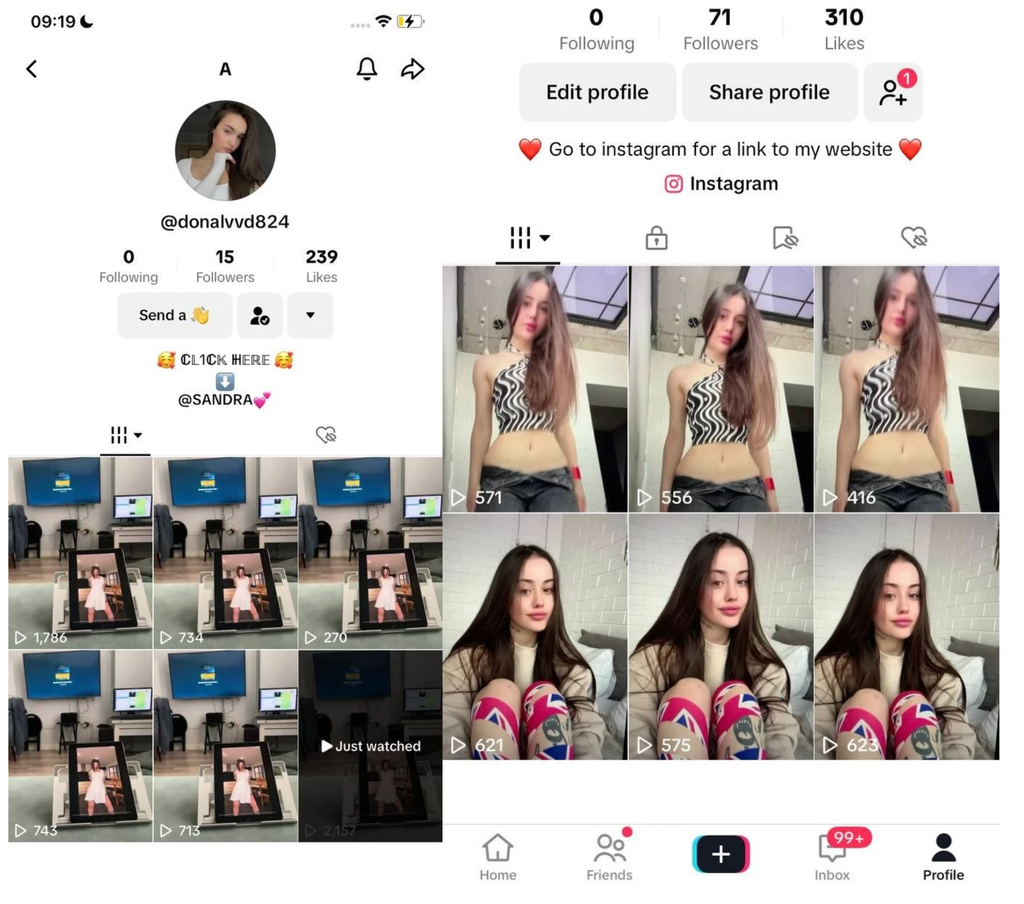
There are no spend expenses here at all, since the platforms themselves promote the content.
The main part of the expenses goes to preparing the technical setup: anti-detect browsers, mobile proxies, and accounts. At the same time, not spending on clicks means you have to invest a lot of time in manual work. To achieve stable conversion volumes, affiliates manage dozens of profiles, constantly make content unique, and upload videos daily.
The main downside of this approach is complete instability. Platform anti-fraud systems are constantly updated, causing entire networks of profiles to get banned, and reach can drop sharply after another algorithm change.
Paid Traffic
With paid traffic, you pay ad networks for impressions or clicks. This category includes Facebook Ads, Google Ads, teaser and push networks. The media buyer pays for the platform to show their creative to the target audience.
The main advantage of paid sources is the speed of launch and easy scaling. Affiliates don’t need to spend months developing a website or constantly uploading videos. You can get your first conversions right after the campaign is approved by moderation.
If a campaign starts generating profit, you can simply increase the daily spend in the ad account or add more ad accounts to scale up.
However, working with paid traffic requires significant investment and constant cash flow. There’s always a risk of losing your entire budget in a few hours due to a poor creative or targeting errors.
Additionally, platforms like Facebook and Google prohibit the promotion of gray offers. That’s why affiliates have to spend money on software and consumables: connecting trackers, setting up cloaking, finding reliable payment cards, and constantly replacing blocked accounts.
Organic and Free Sources – Detailed Overview
You can get organic traffic from dozens of platforms, including search engines, niche forums, and messengers. All these sources have one thing in common: affiliates attract people through content, not ad budgets.
Below, we’ve analyzed popular platforms for organic traffic and the features of their algorithms in detail.
Search Traffic (SEO)
SEO is a whole world. Simply put, your position at the top depends on keyword text optimization, the quality of external links, and proper internal technical setup. Besides Google and Yandex, webmasters also work with Bing, Yahoo, and other local platforms.
Webmasters often have to manage servers themselves, speed up page loading, build a semantic core, and fix bugs in time—otherwise, search bots will drop the site in the rankings.
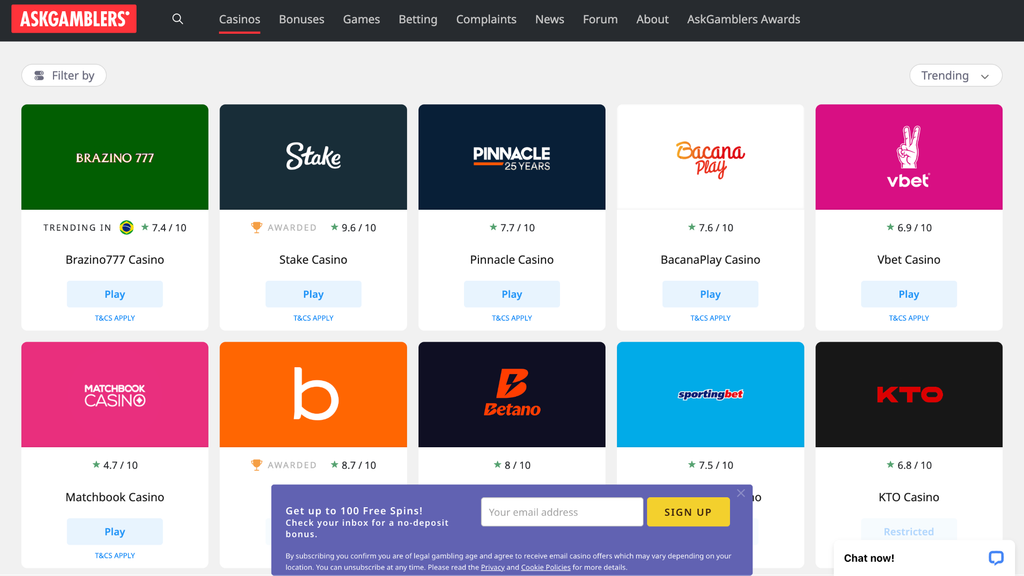
In iGaming, it’s common to create review sites with casino rankings and player feedback, niche info sites with strategies and rule breakdowns, as well as platforms with up-to-date promo codes and bonuses.
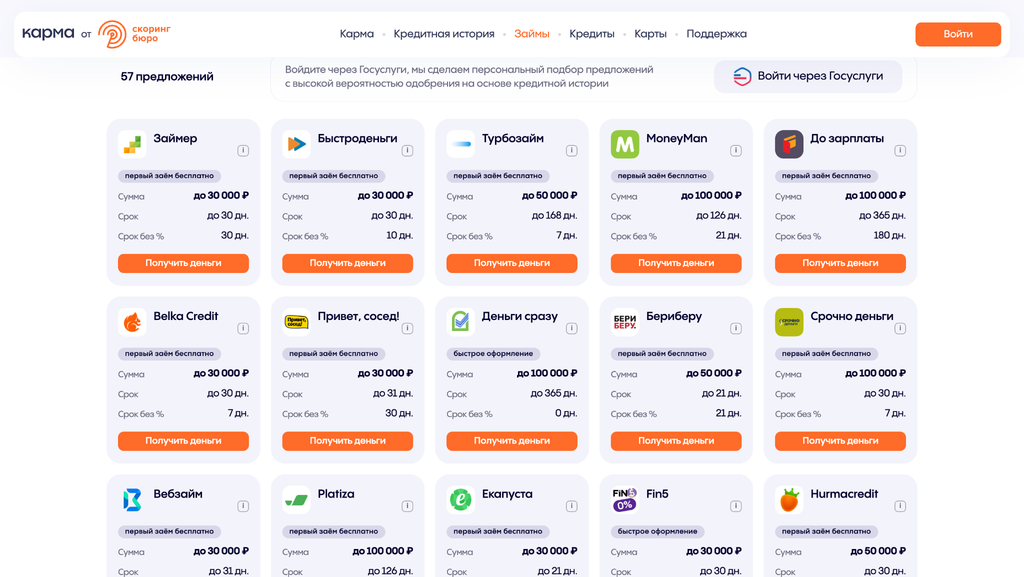
For finance, most often they build comparison sites. These are websites listing offers from banks or microfinance organizations, where users can compare terms and immediately follow a link.
Promoting such projects is expensive and takes a lot of time. Due to fierce competition for top spots, webmasters spend thousands of dollars on buying links, paying content writers, and hiring developers. Budgets and efforts are invested for the long term, so the first results usually appear only after several months.
Search traffic is ideal for niches with high payouts: crypto, iGaming, betting offers, and finance. A user from search can play or make deposits for months, which fully pays off the costs of creating and developing the project.
ASO
The principle of ASO is very similar to SEO. The idea is the same: you need to get your product to the top of search results for specific queries, but not in regular search engines—inside Google Play and App Store.
The higher an app ranks, the more users will download it. At the same time, store audiences are considered some of the highest quality. People are purposefully searching for a specific game or brand, so this traffic converts well and is highly valued by affiliate networks.
After uploading an app to the store, it takes the store algorithms a few days to index the text and determine the starting positions in search.
“ASO is set up much like SEO. You have a short description, a long description, and the keywords you want to rank for. After release, you wait 5–6 days for Google to figure out what’s happening, and then you start driving incentivized installs, reviews, and likes. If you go for the broadest queries, everyone is already there. Sometimes it’s easier to look for smaller keywords where there are real users and clear math.” — Ivan, owner of an affiliate team and the betting division at Leads.
At the same time, the promotion mechanics in Google Play and App Store are very different. In Google’s marketplace, algorithms index keywords from everywhere: from the title, description, and user reviews.
In the App Store, the text description doesn’t affect search at all, and there’s a separate closed field for keywords. Moderation at Apple is always manual and extremely strict, so it’s much harder to push a gray app there than in Google Play, where the process is often automated.
The main lever for promotion in app stores is behavioral factors: number of downloads, ratings, and audience retention. On the Android platform, reviews play a huge role, as the text of comments in Google Play directly affects ranking positions.
Tasks for boosting on Google Play specifically include target queries: brand names, bonuses, or free bets that performers must insert into the text. One review on exchanges costs only about 12–15 rubles, but getting to the top for good keywords requires large volumes.
In affiliate marketing via ASO, mostly gray niches are promoted: gambling, betting, and crypto. For this, WebView apps are used, which are disguised as simple utilities or games.
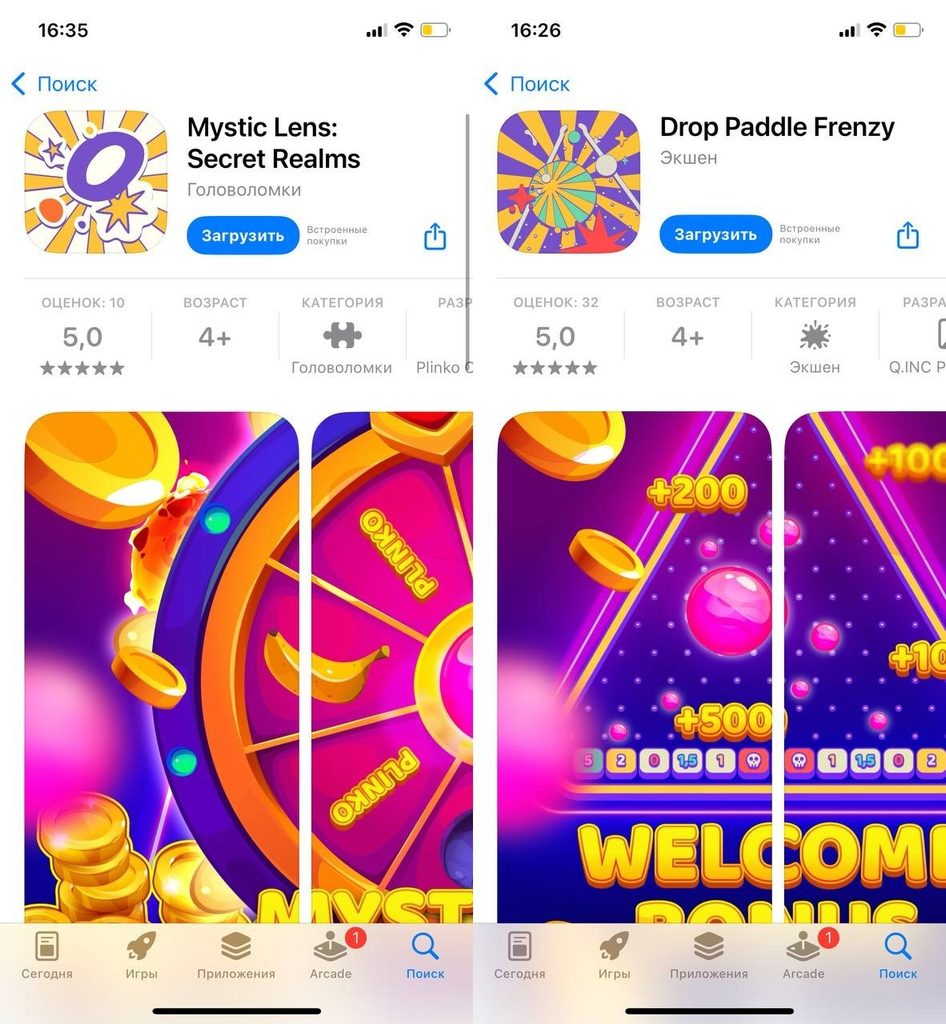
When such a program is launched, the real player lands on a casino registration form, while moderators see a regular white-label app.
Passing strict store filters is getting more expensive every year. Developing or buying the app itself will cost at least several hundred dollars. In addition, moderation algorithms regularly ban suspicious profiles, so you have to buy old developer accounts with high reputation, the price of which can reach $1,500–2,000 each. Due to frequent bans of gray products, these expenses have to be factored in on an ongoing basis.
Instagram has a mature and solvent audience, so finance, nutra, dating, and gambling convert well on the platform. Traffic is generated through short Reels videos, and you can place a link to an offer or Telegram channel directly in the profile description.
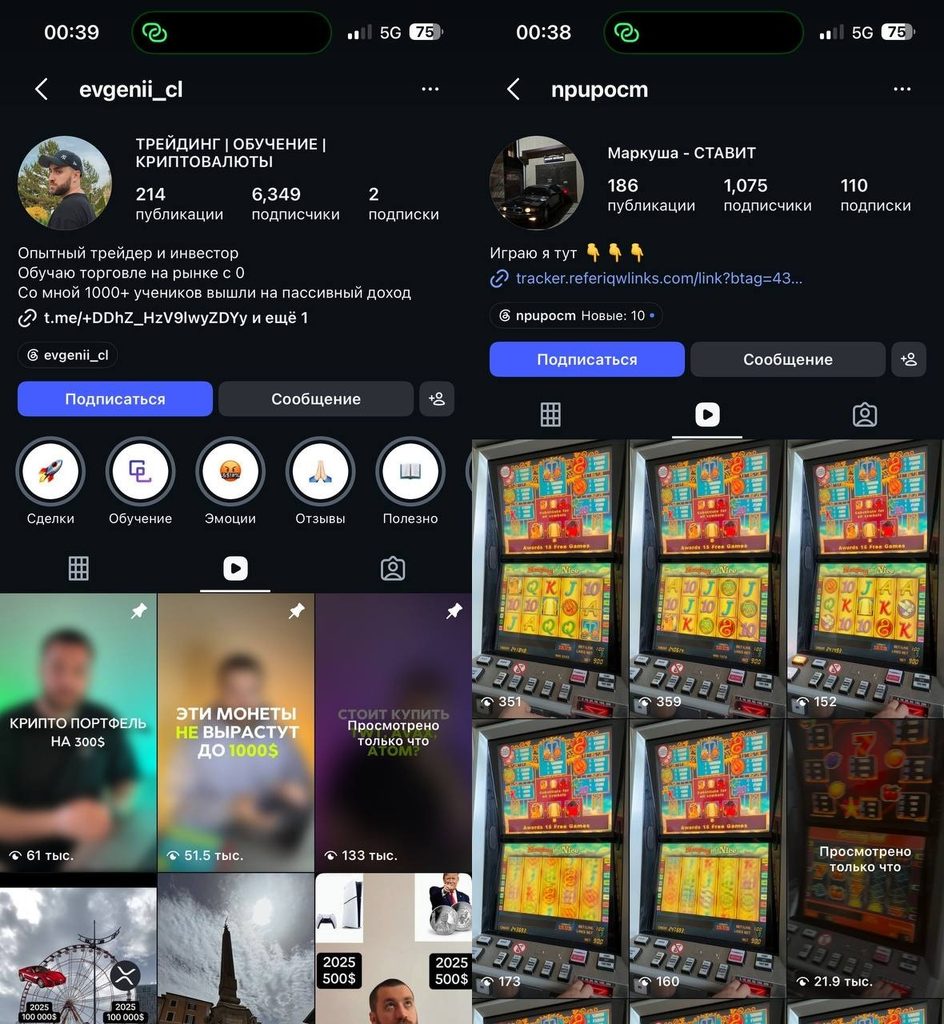
However, videos from fresh accounts almost never get into recommendations right away, as the platform requires mandatory warming up.
During the first week, profiles are warmed up manually. Webmasters simply watch reels in their niche, scroll the feed, and like posts to train the algorithms for specific content. The first three to four days are spent on regular activity, then the profile is set up: avatar, name, and description are added, but no links yet.
Uploading videos starts about a week later, gradually, one video per day. You can start driving traffic only when the videos get at least a few thousand views each.
Scaling bundles is difficult. Instagram’s antifraud system strictly tracks hardware. When working through antidetect browsers on a computer, accounts have less trust and a much higher risk of being banned, especially when running gray verticals. Because of this, affiliates have to build farms of real smartphones and link no more than 3–5 accounts to a single device.
The platform itself provides an audience with good conversion, but large volumes require constant spending on physical devices and take a lot of time for manual management of each account.
TikTok
On TikTok, you can get views right away on new accounts; there’s no need to warm up profiles for weeks like on Instagram. But moderation here is very strict. The algorithms scan every frame, check the audio, and compare videos with their database. To avoid bans for lack of originality, webmasters completely rework every source video.
For a few accounts, creatives are edited manually in CapCut, but for mass uploads, scripts in FFmpeg are used to batch apply filters, change layers, and remove file metadata.
You can’t put direct links to casino or adult offers, as moderation will immediately block the profile. To bypass antifraud, webmasters use this method: they run a network of dozens of accounts and redirect people to one main profile where the link is placed in the description, or send the entire audience straight to Telegram channels.
Content is uploaded using two main strategies. The first: regular spam, where aggressive creatives are massively posted on fresh profiles to collect views before a ban.
The second method: loop uploading. The video is published, they wait until it gets from 600 to 3,000 views, then delete and re-upload it. After several such cycles, TikTok’s algorithms start to better identify the target audience.
This source is great for working without investment, as it allows you to get your first leads without spending on ads. However, large volumes require constant manual work: webmasters reconfigure phones, register accounts, and make hundreds of creatives unique every day.
YouTube
You can drive traffic on this platform through both Shorts and classic horizontal videos. This source is often chosen for gambling, betting, crypto, or for redirecting to Telegram channels. Channel networks are managed either from computers using antidetect browsers or by setting up real smartphones, linking several accounts to each device.
They use either new self-registered accounts or purchased aged accounts with history. Fresh channels are always put on hold for 5–6 days before launch, and at the same time, behavioral factors are built up: simply watching videos in the chosen niche and liking them to tune the algorithms for the right vertical.
For gray verticals at this stage, they upload movie clips, sports highlights, or catchy life stories in text format.
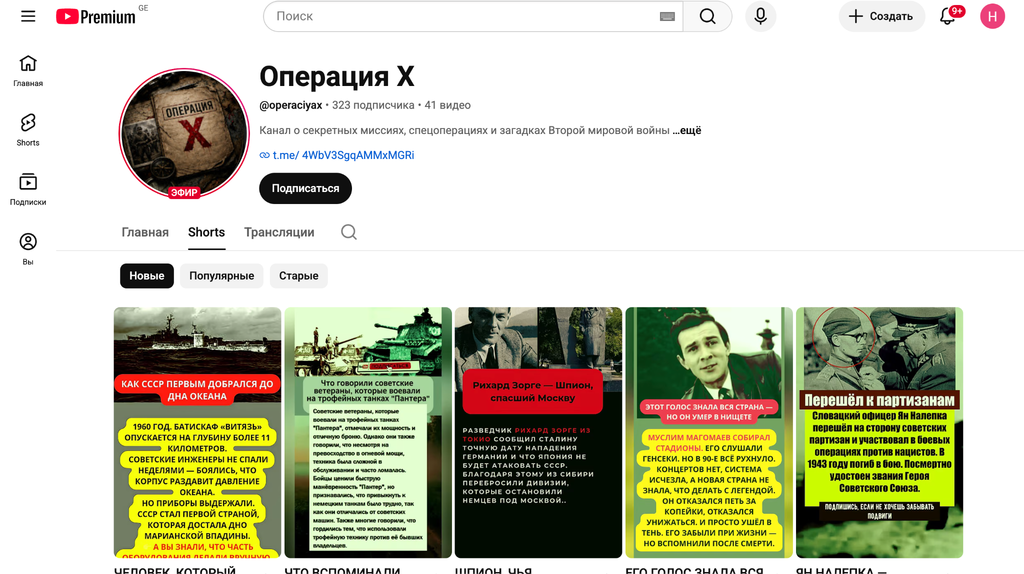
This is needed to add trust to accounts before uploading gray verticals and to filter out channels that don’t get traffic even with whitehat videos. If videos stay at zero for several days, those profiles are dropped, since it would take too long to boost them.
Moderation strictly monitors any links, so you can’t direct users straight to casino or bookmaker offers. To bypass antifraud, webmasters redirect traffic to Telegram channels.
Links are placed in the channel header or description, and in the videos themselves, viewers are prompted by voice or text to visit the profile. Unlike TikTok, YouTube is much less volatile. However, to get a lot of leads, you have to constantly create unique content and keep dozens of different channels active every day.
Reddit is structured as a huge platform with thousands of separate interest-based forums called subreddits. Users gather in specific communities around certain topics, making it easier for webmasters to reach their target audience. The platform is mostly used by English-speaking audiences from the US and Western Europe, so it pays off well for adult, crypto, and gambling offers.
Traffic here is generated through posts in these threads. Direct links in posts are instantly removed by algorithms and admins, so to bypass restrictions, webmasters leave links in their profile description and engage the audience with content in targeted discussions.
You can’t work from fresh accounts. Most popular subreddits have restrictions on account age and karma. Karma is the cumulative rating of an account: when other users upvote your post or comment, it increases, and when they downvote, it decreases. Without the required metrics, bots will simply delete your post.
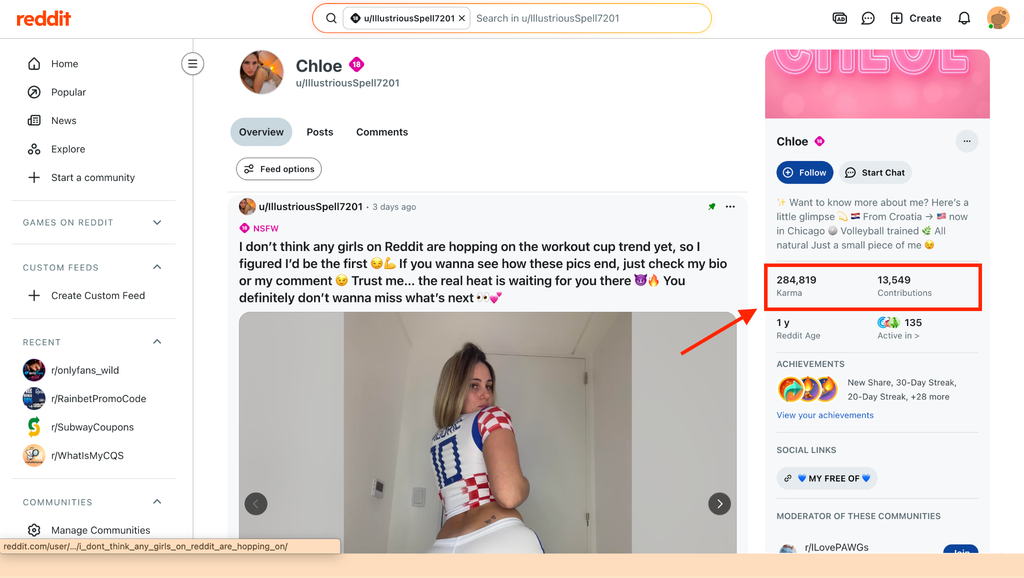
To work, webmasters either buy aged accounts or build up karma manually. Warming up an account yourself can take several weeks, as you can’t just mindlessly spam template phrases here. You have to write meaningful comments in various safe threads so that other users actively upvote them: that’s the only way to raise your karma to the needed level.
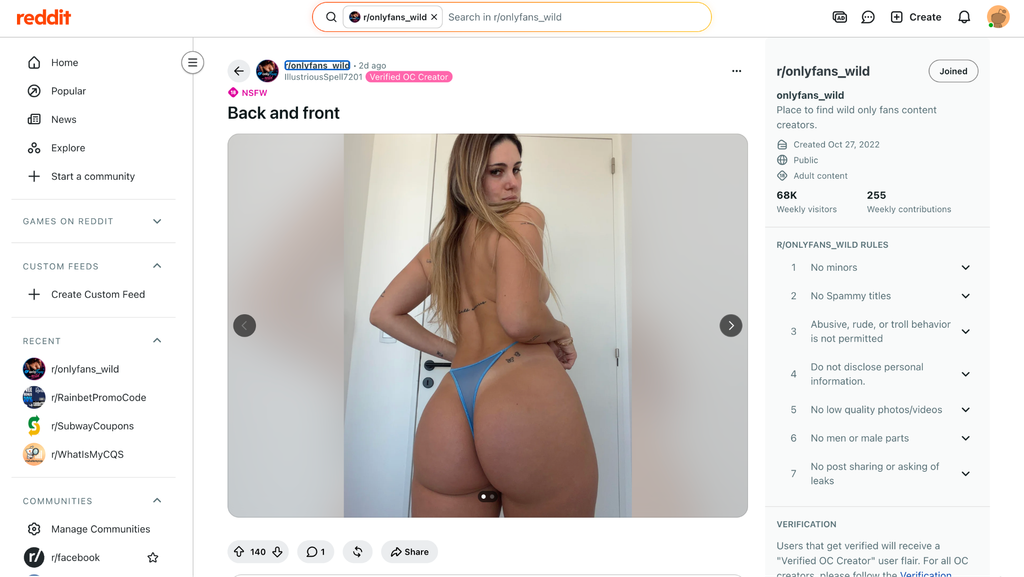
The main challenge is passing moderation within a specific community. Besides bots, there are live moderators in the threads who manually ban for any advertising. This source is especially good for adult offers, since there are dedicated NSFW subreddits on the platform where explicit content is officially allowed and not banned.
In these sections, webmasters post model photos and use text to encourage users to check out their profile, where a link to OnlyFans or a smartlink is placed.
In crypto, they create useful guides or discussions posing as regular users, casually mentioning the desired product.
The position of a post in a community feed depends on upvotes (the local equivalent of likes). The more upvotes a post gets in the first few hours, the higher it ranks in the section’s top and the more people will see it.
The working principle here is very different from other free sources: you can’t succeed with mass spam, and accounts aren’t considered cheap expendables. With proper care, a single profile can last several months, so you should focus exclusively on quality.
Pinterest is not a classic social network, but more like an image database with a search function. People visit the platform when they’re looking for something specific: for example, interior ideas, workout plans, diets, or fonts for design. Users enter precise phrases in the search bar, so this audience is highly motivated and ready to buy. The main traffic comes from the US and Western Europe.
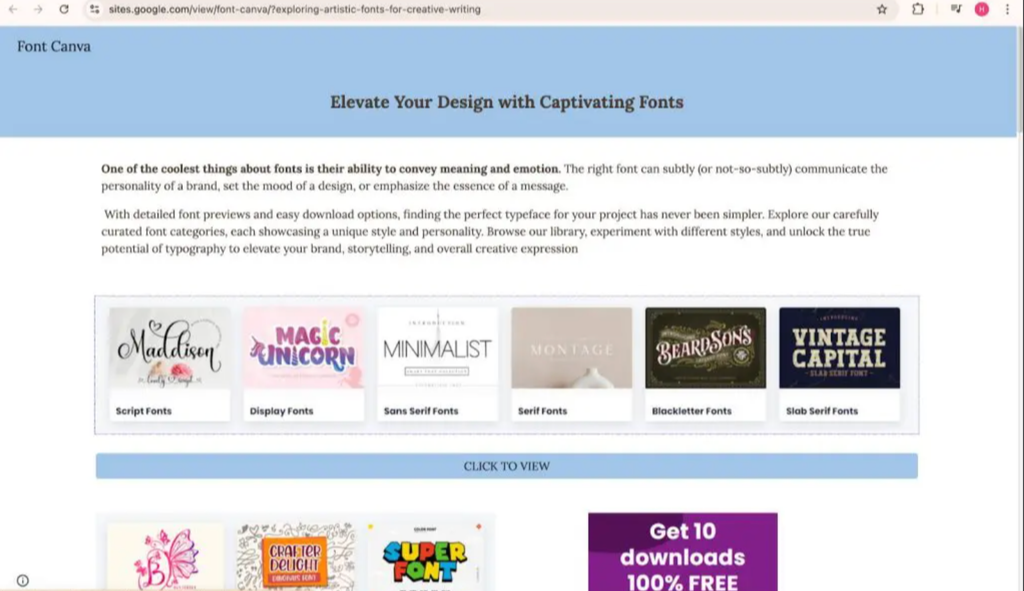
The platform is used to promote physical goods, nutra, digital services, or subscription-based services (for example, graphic platforms like Creative Fabrica, where webmasters receive a percentage of the spending by referred users).
Direct traffic to iGaming, betting, or dating is not allowed — moderation will immediately block the account for violating the rules. To bypass these restrictions, webmasters use pre-landers like Google Sites or Medium, or redirect the audience to Telegram and Instagram.
Among the conditionally restricted verticals, the platform is relatively loyal to nutra (care products or weight loss), since Pinterest has historically had a predominantly female audience.
Account farms are managed through anti-detect browsers, with no more than three profiles tied to one IPv4 proxy. New accounts take a long time to warm up. For the first few days, webmasters simply imitate regular user behavior: viewing other people’s posts, liking, and subscribing to themed boards. After that, they start posting neutral content, 10–15 posts per day. The mass spam strategy doesn’t work anymore and immediately leads to a ban.
Traffic here is entirely dependent on the platform’s search results, so SEO optimization plays a key role. Keywords and hashtags are always embedded in the titles and descriptions of images (pins).
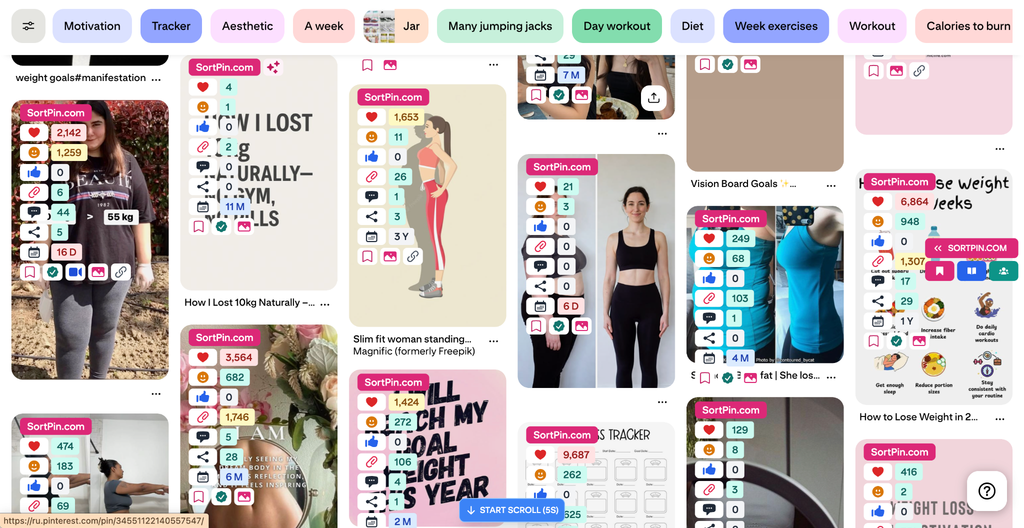
Keywords are collected using special software: the SortPin extension helps analyze competitors’ pins, and the PinInspector program parses related queries, whose volume is then checked through services like SearchVolume.
Aiming for the most popular phrases is pointless, as those results are filled with old posts from major brands. Webmasters choose mid- and low-frequency queries: the reach is lower, but there’s almost no competition.
The visual part is also prepared for the selected keywords. Creatives should be bright, high-quality, and in a consistent style, since users on the platform are used to an aesthetic feed and will simply scroll past sloppy images.
For large-scale operations, posting is automated using custom scripts in ZennoPoster or BAS, connecting neural networks via API to generate images and text descriptions. The first results from Pinterest are not immediate; profiles need to be developed for weeks, but with the right approach, these accounts can generate passive traffic for several months.
Classified Boards
Classified boards like Avito or OLX are considered a fairly niche source in affiliate marketing, as there is almost no detailed information or case studies available publicly. On these platforms, affiliates gather an audience that is actively searching for a specific service, product, or job.
Mainly, the focus here is on verticals like HR, for example, courier, taxi driver, or warehouse worker vacancies, as well as white-hat e-commerce and finance offers such as microloans.
You can’t insert links into ad descriptions because moderation removes them immediately. Instead, webmasters set up auto-responders: when someone responds to a job posting or inquires about a product, a link to the applicant form or advertiser’s website is sent to their private messages within the platform.
To publish ads in large volumes, you need many profiles. Platforms track multi-accounting by hardware and IP addresses, and also require mandatory verification via documents or Face ID.
Because of this, webmasters buy old accounts with reviews or rent profiles from real people. Work is done through anti-detect browsers and mobile proxies, where only one account is linked to each IP address.
Viral Marketing
Viral marketing in affiliate arbitrage is a type of free traffic and a story about deliberately creating fakes. The goal is to create provocative content that users will share and discuss on their own. Most often, affiliates use this approach to promote gambling, betting, dating, and Telegram channels on social networks like TikTok, Instagram Reels, or X. Webmasters create videos or posts with fake news, loud scandals, shock content, or controversial statements that trigger strong emotions in people.
The main bet is on platform algorithms that promote posts with high comment activity. Webmasters intentionally include spelling mistakes, ambiguous phrases, or absurd situations in creatives to provoke arguments. Users start mass-commenting, arguing with each other, and trying to prove the author wrong. Social network algorithms interpret this as interest in the content and push the video into recommendations.
Direct ads are not placed in such creatives because they immediately ruin the viral effect. The link to the offer or Telegram channel is placed in the profile description, and in the video itself, a voiceover or text invites viewers to go there for the rest of the story. This method brings millions of views without ad spend, but the traffic is often cold, and the accounts themselves quickly get banned due to user complaints about fakes.
Dating Sites
On dating sites (like Tinder, Badoo, or Mamba), affiliates target a male audience that is already looking to chat. This source is used to funnel traffic to adult offers or OnlyFans. The scheme is based on creating fake female profiles: photos are added to the profile and mutual likes are collected.
You can’t insert links directly in app chats because moderation removes them immediately. Because of this, users are redirected under various pretexts: during the conversation, they are sent a link to the target dating service, promising to continue the chat there.
Essentially, this approach turns the traffic into incentivized traffic. Since there is no real girl on the final site, users close the tab right after registration. As a result, there is zero audience retention within the product, and no further activity in the profiles.
Advertisers are aware of this feature of such traffic sources, so they strictly monitor user behavior and often completely prohibit attracting audiences from dating apps.
Streaming Platforms
Arbitrage marketers mainly use streaming platforms for iGaming and betting. For beginners, YouTube and TikTok remain the best options since their algorithms automatically promote streams in recommendations and provide free traffic.
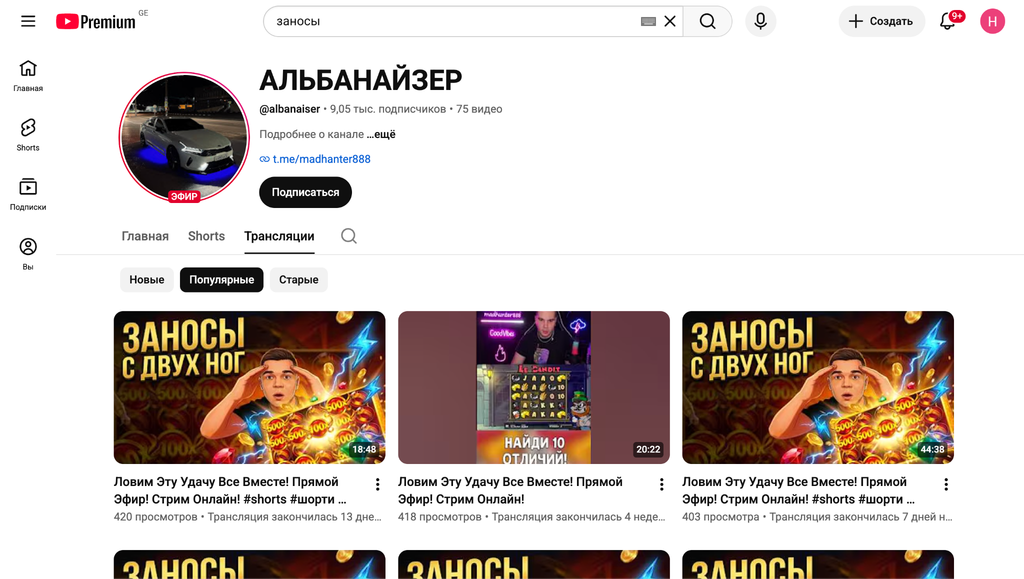
It’s hard to get good views from scratch on Kick, and Twitch has long banned any casino streams. The option of looping old recordings of other people’s streams no longer works. Viewers in the chat immediately notice that the streamer isn’t interacting and leave. That’s why webmasters stream live, and to avoid showing their face, they use appearance-masking software (like Deep Live Cam) or digital avatars.
Technically, the stream is launched via OBS, a free program for PC. In it, the webmaster displays the slot window, sets up the sound, and sends the ready video stream to YouTube or TikTok.
Since the platforms’ automatic moderation checks the stream right after it starts, webmasters use a trick. They launch the stream with some neutral game, like Minecraft, and only after 15–20 minutes switch the screen to the casino.
In OBS itself, areas showing balances, bets, and brand names are simply covered with chat overlays. Forbidden words are also avoided out loud, replacing “casino” with “platform” and “deposit” with “top-up.”
In the chat or stream description, webmasters leave links to a Telegram channel, where they direct viewers under the pretext of distributing bonuses or promo codes. In the channel itself, they post gaming session results, screenshots of big wins, and useful posts to retain people and motivate them to register at the casino.
Paid Traffic Sources – Detailed Overview
Below, we’ve put together a detailed breakdown of the main paid traffic sources. We’ll cover all relevant platforms: from contextual and social media targeting to push notifications and in-app advertising, to understand the launch features and moderation rules for each.
Contextual Advertising
This includes search engines, primarily Google Ads and Yandex Direct. The key feature of this source is that webmasters work with people who already have a formed demand.
The user enters a specific phrase into the search bar (for example, “apply for a microloan online,” “buy sneakers,” or “current casino mirror”), so the audience here is already primed for action, unlike on social networks where you have to catch people as they scroll through their feed.
In white-hat verticals like finance, e-commerce, or HR, ads are set up for targeted queries and direct users straight to the advertiser’s website or to financial showcases featuring several offers. Search engine moderation allows this kind of advertising without issues, so accounts run stably and without blocks.
In gray niches like gambling or betting, platform filters won’t let you run campaigns directly to the offer link. To bypass these restrictions, affiliates use cloaking: with a tracker, they split the traffic so that bots and moderators see a completely clean white site, while real users land on the casino landing page or pre-lander.
The main downside of contextual ads is the high cost. Due to tough competition, the price per click for popular queries can be extremely high, so it’s not possible to enter this traffic source with a modest budget.
Targeted Advertising on Social Networks
Unlike search engines, on social networks affiliates work with a completely cold audience scrolling their feed for entertainment. To get someone to click an ad, you have to grab their attention with aggressive clickbait or strong emotional hooks in the creative.
For many years, the main platform in affiliate marketing and the top traffic source on the market has been Facebook Ads along with Instagram. FB is used to run the most profitable verticals: gambling, betting, nutra, and crypto, since these social networks provide huge audience volumes for almost any GEO.
Moderation won’t allow you to run ads directly to gray offers. Because of frequent bans, media buyers have to regularly change elements of their setup: linking new payment cards to replace those blocked by anti-fraud systems, updating domains, and launching batches of profiles via anti-detect browsers.
To pass moderation when running gambling and betting traffic, campaigns are usually directed to mobile apps — WebView or PWA. Facebook moderators see a regular white utility or a simple game from the official store, while the real player, after launching the app, opens a full-fledged online casino site inside it.
For any gray niche campaign, cloaking is always set up — a technology for content substitution. Using a tracker, bots are sent to clean white pages (White Page), while real users are redirected to pre-landers and target offers.
The main problem with this source is the rapid burnout of creatives and frequent account bans. Because of this, new promo materials have to be made daily, and a decent budget is needed for expendables and testing, so it’s not possible to enter with a small capital.
However, if a setup catches on and starts bringing profit, it can be scaled very quickly: simply by increasing daily spend in accounts or by mass launching new accounts.
Push Notifications
This source works like system pop-up messages on phone or computer screens. Users subscribe to such notifications on third-party sites, often accidentally, for example, when trying to close a movie player or pass a captcha.
Because of this, traffic here costs next to nothing and volumes are huge, but the audience is extremely cold since people are used to constantly seeing such notifications. To get someone to click on a push, webmasters disguise creatives as pop-up personal messages from messengers, missed calls, or shocking news alerts.
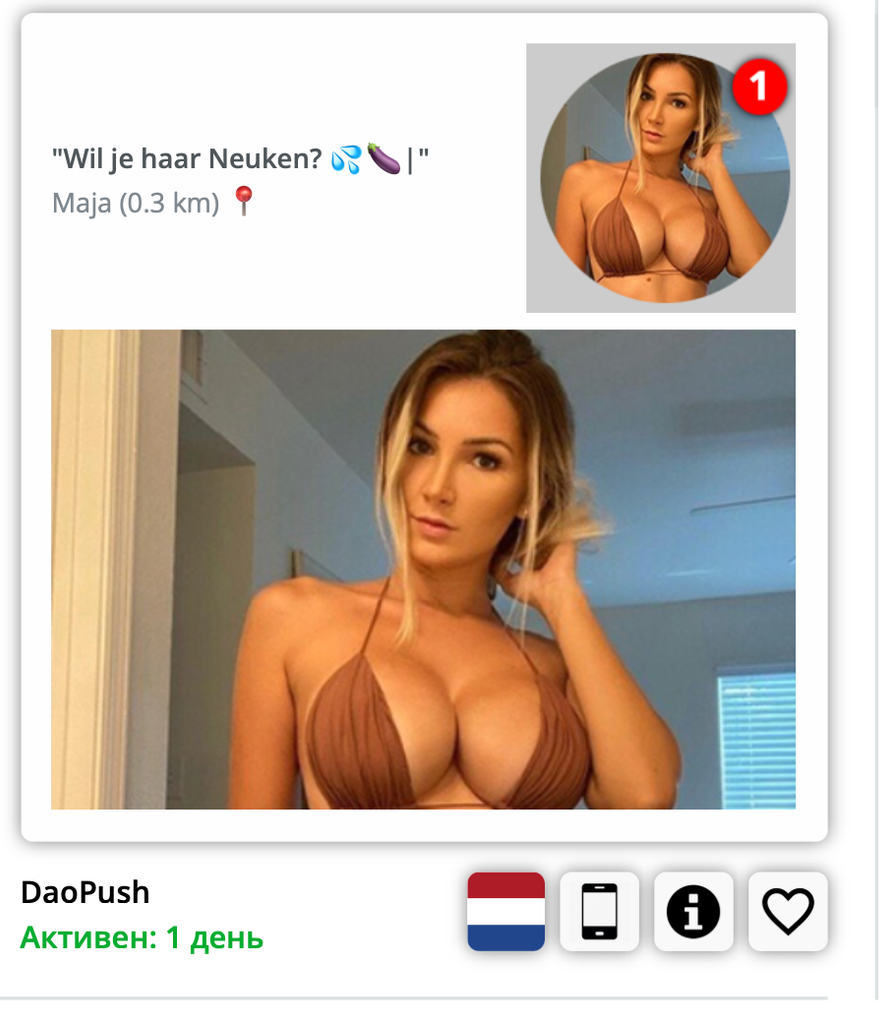
The main advantage of push networks is extremely lenient moderation. There’s no need for cloaking, smartphone farms, or complex account farming, and campaigns are launched directly in ad networks (like PropellerAds or Push.House).
Platforms easily allow aggressive approaches, hard clickbait, and “before/after” photos. Because of this, push traffic is best suited for offers with a broad audience or a simple funnel: nutra (especially potency and weight loss products), dating, sweepstakes, and low-cost gambling offers in Tier-2 and Tier-3 countries.
The main downside of this source is the abundance of bot traffic and the rapid burnout of approaches. Users stop noticing the same ads after just a couple of days, so creatives have to be changed constantly.
The webmaster’s job here comes down to constant analytics in the tracker: you need to regularly identify junk placements within the ad network and blacklist them, otherwise bots will drain the entire budget without a single conversion.
Pop Traffic
This includes pop-ups and pop-unders (clickunders)—ad tabs that open in the user’s browser when they click anywhere on the source site. This usually happens on pirate movie sites, torrents, or adult resources.
This traffic is dirt cheap and platforms deliver millions in volume, but the audience is extremely low-quality and cold. People land on the site unintentionally, usually due to a misclick, so most close the tab within seconds. To hook the user, regular landing pages don’t work: webmasters use aggressive prelanders with timers, shock headlines, fake system notifications, or virus warnings.
Moderation in pop networks is almost non-existent, so traffic is launched directly without cloaking, agency accounts, or complex technical setups. Buying is done through ad networks like PopAds, ExoClick, or HilltopAds.
This source is suitable only for verticals with the simplest and fastest funnels, where users don’t need to pay or go through long registrations. Most often, clickunders are used for sweepstakes (gadget giveaways for filling out a form), mobile utilities (ad blockers, cleaners), Wap-Click (one-click mobile subscriptions), and adult smartlinks.
The main downside of pop traffic is the huge amount of bots and click fraud from site owners. Since there are no creatives in the usual sense (the prelander itself acts as the creative), you can’t optimize the campaign with images or texts.
All the work of a media buyer happens inside the tracker: from the very start of the campaign, you need to collect statistics by site ID, quickly weed out junk sites, and build blacklists. Otherwise, bot farms will drain your budget to zero within a few hours.
Influencer Marketing
For classic media buying, influencer marketing is not the standard approach. Usually, traffic is driven through Facebook Ads or Google Ads, but here, ads are bought directly from bloggers or channel admins on Telegram, Instagram, and YouTube.
Unlike regular targeting, where ads are shown to random people in their feed, here affiliates work with the author’s loyal audience. Followers regularly keep up with the blogger and trust their opinion, so they are much more likely to click links or register for offers.
In affiliate marketing, influencer traffic is used for a wide range of niches. Bloggers are paid for direct integrations for white-hat e-commerce, info products, mobile apps, financial offers, as well as for iGaming or betting by ordering ads in themed communities or from streamers.
The main challenge of influencer marketing is that it’s hard to scale volumes. You can’t just go into an ad account and raise the daily budget to instantly get more leads.
Media buyers have to constantly search for and monitor new bloggers, manually negotiate placements, and check profiles for fake engagement, since the market is oversaturated with channels showing inflated views.
Plus, the risk of losing your budget is huge: if you make a mistake analyzing a blogger and buy an expensive post in a dead channel, you’ll simply pay for a publication that brings zero conversions.
Teaser and Native Advertising
Teaser and native ad networks collect traffic from news portals, informational sites, and blogs. Teasers usually rely on hard-hitting clickbait and intriguing headlines like “Shock! An old Soviet recipe cleans your vessels overnight.”
Meanwhile, in native networks like Taboola or Outbrain, ads look more subtle, as they fully blend into the site’s design and visually are no different from regular articles on the same site.
The main audience for this source is people over 40 who come to read news or gossip, so they eagerly click on sensational stories.
This source is best suited for nutra, such as remedies for parasites, joints, hypertension, or potency. Cheap white-hat e-commerce also works well through teaser networks. Since users click on ads out of pure curiosity, they are not ready to buy immediately.
Campaigns are launched through pre-landers. These pages use treatment stories, doctor blogs, or news investigations with user comments to warm up interest before sending visitors to the order form site.
Moderation depends on the chosen platform. In top native networks like Taboola or Outbrain, the rules are strict, so affiliates have to set up cloaking for gray offers. In classic teaser networks like MGID or Adskeeper, passing moderation is much easier, as they are more tolerant of clickbait.
“Honestly, in all my 10+ years in affiliate marketing, I haven’t come across a better source than native. There’s tons of traffic: enough for a team of 5-10 people to pour in millions of dollars in turnover every month. There are (almost) no bans, and you can run a lot of arbitrage offers in white. If you prefer gray/black, that’s all available in native too. Already have 3 funnels running at a minimal profit. And I barely did anything for it. Took creatives from a spy tool, landers from a spy tool, offer from a spy tool, and launched. All white. And it works in the black right away. Hard not to be happy about it.” — author of the Telegram channel “Direktor Interneta”.
The main downside of this source is the huge amount of bot traffic and irrelevant clicks. The key task in optimization is constant site filtering. In your tracker, you need to immediately monitor the IDs of specific sites where your ads are shown and build blacklists to promptly block placements that don’t bring conversions.
In-App Advertising
Here, ads are shown inside mobile games, utilities, and free apps. Ads appear in different formats: these can be full-screen banners when switching between tabs, interactive demo games (Playable Ads), or videos that reward users with bonuses or in-game currency for watching. The traffic volumes here are huge, and since the user is already engaged in the app, such ads attract more attention and are less likely to be ignored.
Traffic is run through networks like Unity Ads, AppLovin, Mintegral, or Google AdMob. This source is perfect for promoting anything that can be downloaded to a phone: mobile games, utilities like cleaners, dating services, and subscription apps.
In-app is also used for running gambling and betting offers. In large networks like AdMob, moderation is strict, so for gray niches, media buyers use cloaking, disguising target links as legal programs or simple games.
The main challenge with in-app traffic is the high cost of tests due to frequent misclicks, when users (especially kids in games) accidentally tap banners. That’s why buyers closely monitor stats: they track the IDs of specific apps where ads are running and blacklist those games and utilities that bring clicks without installs. Additionally, due to privacy rules on iOS and Android, platforms hide some user data.
Because of this, tracking often breaks in the tracker, making it hard to tell exactly which app a lead came from. As a result, campaign analysis becomes more difficult, and you need to allocate a much larger budget to gather reliable statistics.
How to Choose a Traffic Source for an Offer: Step-by-Step Guide
Launching a random product in the first ad network you find is a guaranteed way to burn your budget to zero. A mistake at this stage will just make you lose money on tests without ever understanding why there are no leads. To avoid this, you need to select the platform for your offer step by step.
Step 1. Study the Advertiser’s Terms
Open the offer card and carefully read the rules. Advertisers always clearly state what kind of traffic they are willing to pay for, and what will get your payouts cut or your account banned. If the terms prohibit brand bidding or spam mailings, those options are off the table right away.
Also look at the target action. For simple registrations (CPL), inexpensive sources with large traffic volumes like push or pop networks are suitable. If the advertiser pays for the first deposit (FTD) or a confirmed order, you need platforms with a more engaged audience — Facebook Ads or search advertising.
Step 2. Calculate your technical setup costs
Your choice of traffic source directly depends on your financial capabilities. To launch gray niches like gambling or nutra via Facebook Ads or Google Ads, you’ll need to buy software: an anti-detect browser, tracker, proxies, cloaker, and constantly top up your working capital.
If your starting capital is only $300, launching on Facebook is pointless — you’ll spend all your money on consumables just during the campaign setup stage. With a small budget, it’s easier to start with push networks or conditionally free traffic (CFT).
With push traffic, tool expenses are minimal, and when working with TikTok or Instagram, your money only goes to accounts and mobile proxies, while your videos get into recommendations purely thanks to the algorithms.
Step 3. Assess audience warmth
In search engines, users enter specific queries themselves, so the audience there has a formed demand — it’s more effective to promote MFIs, loans, or job matching in contextual advertising.
On social networks like TikTok or Facebook, people scroll their feeds for entertainment, and on informational sites they read news. The traffic there is cold, so you have to grab the user’s attention with aggressive creatives, shock headlines, or emotional promo materials. Such platforms are ideal for casinos, betting, or health and beauty products.
Step 4. Analyze spy services
Before launching, assess the market using spy services like Adheart, SpyOver, or similar platforms. Enter the offer name or keywords in the search and check out current creatives and prelanders used by competitors.
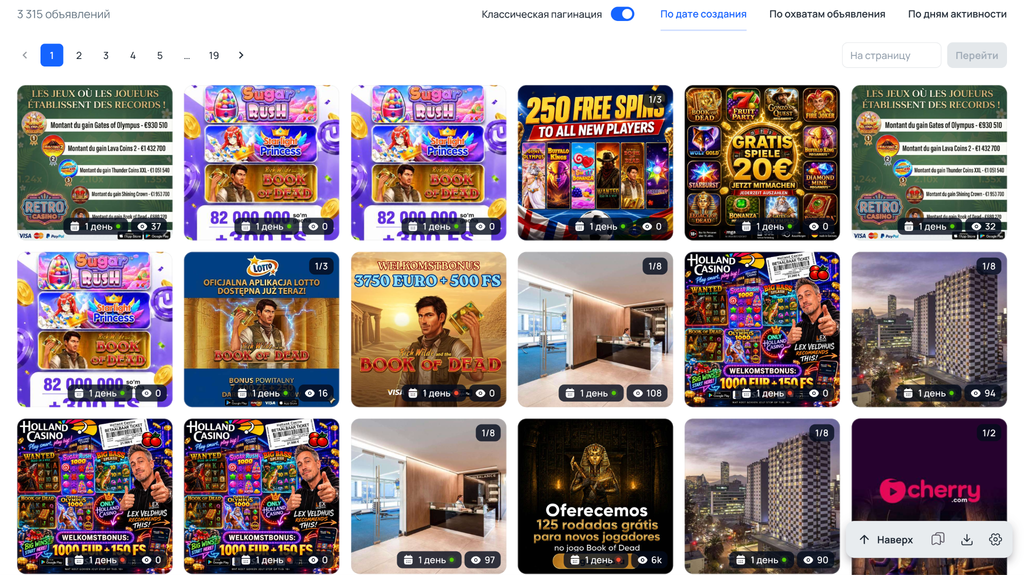
Ad analysis will help you understand which approaches are most often launched in a specific GEO, what prelanders other buyers use, and which direction to take when creating your own promo materials.
Step 5. Match offer math with click cost
The payout amount directly determines your choice of platform. If you take a dating offer with a $1.5 CPL for a simple registration, launching it on Facebook or contextual ads is pointless: the click price in these sources is high, and your spend will immediately exceed potential income. For such products, platforms with cheap clicks like push are used, or you go through CFT.
With large payouts, the situation is the opposite: if the offer pays $200 per deposit (FTD) in crypto, launching pop-ups is useless. The audience there is too cold for complex multi-step warming funnels, and you’ll just waste your balance with no conversions.
How to test a new traffic source
When entering a new advertising platform, it makes no sense to expect leads from the very first clicks. The purpose of the test is to collect initial data in the tracker to see the real cost per click and conversion rate. The process itself is divided into several stages.
1. Calculating the test budget
The amount allocated to test a new source is always tied to the offer payout. The basic rule is to budget at least three to five CPA rates for testing one approach or funnel. If the advertiser pays $150 per lead, the test budget should be no less than $450–750.
Stopping a campaign after spending $30 just because leads didn’t come in right away is a typical rookie mistake. With low traffic volumes, results are determined by randomness. Until the campaign gets enough clicks and registrations, you can’t draw conclusions about the platform—otherwise, you’ll just waste part of your budget on consumables and might prematurely turn off a working source.
2. Launching multiple approaches
Sending traffic to a single creative or pre-lander is pointless. Before launch, always prepare several different ad variations targeting different triggers. In the tracker, set up even click distribution between all pages—this process is called split testing in affiliate marketing.
This allows you to objectively compare their performance under the same conditions. Ads that generate expensive clicks without conversions are immediately turned off. All available spend is redirected to those funnels where the lead cost allows you to break even or leaves room for further optimization.
3. Filtering sources and building blacklists
In networks with fast traffic like push, pop, or in-app ads, there’s a large flow of non-targeted clicks. Here, the work is based on constant source cleaning. You need to track the IDs of specific websites or mobile apps where your ads are running directly in the tracker.
All sources that eat up the budget but don’t even bring registrations or installs are added to blacklists. This lets you cut off non-performing sources and run ads only where you’re getting leads.
4. Quality check and scaling
If, after optimization and source cleaning, the campaign breaks even or turns a profit, the advertiser starts evaluating the quality of the acquired traffic. In gambling, betting, or crypto, the hold period can last up to 30 days.
During this time, via API or in the affiliate dashboard, the advertiser checks the activity of attracted users: how they behave inside the product, whether they make repeat deposits, and if the leads are profitable. Only after the traffic quality is confirmed and the hold is lifted is the funnel scaled by increasing daily spend in the accounts or simply launching new accounts.
Best sources for beginners
Jumping into Google Ads or other complex sources without experience is tough. Without understanding how moderation works and the basics of using a tracker, your entire working budget will go to consumables like antidetects, cards, and cloaking, which will get banned before your campaign can even run properly.
At the start, it’s easier to choose platforms with minimal infrastructure costs or those verticals with plenty of ready-made guides available online. Right now, there are three main directions that fit these criteria.
Push Networks and Native Networks
This is the most accessible option if you have a small starting budget for buying traffic. Moderation here is simple and allows ads to go live directly, so you won’t need to set up cloaking or build whitepages for your first tests. To launch, just connect a tracker and upload creatives for your chosen offer.
The main advantage is the opportunity to master the technical basics for a small amount of money. You’ll get familiar with key metrics and learn how to evaluate the profitability of different approaches, how redirects work, and the logic behind campaign optimization.
Traffic here is inexpensive, and the high volume of clicks lets you quickly gather statistics, learn to analyze clicks, and build blacklists by disabling sources without conversions in time. Push and native networks work well with offers that have a simple payout model: sweepstakes, low-cost nutra, or dating with CPL payouts.
Free Traffic
If you have no budget for buying traffic at all, it makes sense to collect organic traffic from TikTok, Instagram Reels, or YouTube Shorts. Free traffic has no ad accounts or spend, and all traffic comes purely from the organic recommendation algorithms of the platforms.
The only expenses here are mobile proxies and profiles for managing your network, and all the work comes down to manual farming and regular posting of videos. The main point of this choice is to get your first leads and build up starting capital from a free source, if you’re ready to spend your own time instead of money on your ad account balance.
Facebook Ads
This source is complex and requires solid budgets for testing, quality accounts, and payment methods. But Facebook Ads has an advantage — there’s a huge amount of information available publicly about it.
On forums, in affiliate media, and Telegram channels, you’ll find detailed manuals for launching, schemes for working with auto-registered accounts, and tips for bypassing antifraud. If you have spare capital for testing, it’s easier to figure out all the processes thanks to hundreds of ready-made cases, manuals, and detailed breakdowns of other people’s setups in spy services.
Conclusion
Choosing the right traffic source for your offer determines all future testing expenses. Instead of launching campaigns in complex sources where accounts often get banned even during setup, it’s easier at the start to pick options with minimal costs.
Push networks will help you understand technical metrics and tracker logic without extra risk, while Free traffic lets you build your initial turnover from organic reach if you’re willing to spend your own time on monotonous account work.
During the testing phase, all work should be built around the numbers. Allocate three to five CPA payouts per offer to test each approach, use split testing for pre-landers, and promptly build blacklists by cutting off sources without leads.
Jumping between ad networks after the first negative days is pointless. It’s much more effective to focus on one source, analyze the data in your tracker, and consistently improve your setup until the numbers turn positive.

FAQ
With this amount of capital, there's no point in starting with Facebook Ads or Google Ads—you'll spend all your money on consumables like antidetect browsers, proxies, and cards before you even properly launch your campaigns.
It's better to choose push networks or native traffic, where clicks are cheap and moderation lets ads through directly without strict cloaking setups. Another option is conditionally free traffic (CFT) on TikTok or Instagram, where you only spend on accounts and mobile proxies, and get clicks for free thanks to recommendation algorithms.
When launching, you always set up a split test directly in a tracker like Keitaro or Binom. Separate flows are created and clicks are evenly distributed between different pages. If an ad spends an amount equal to one CPA payout of the offer but doesn't bring even registrations, you stop that approach. All available spend is redirected to the ads and pre-landers that deliver the cheapest conversions and allow you to break even.
The amount for testing one approach is always tied to the offer payout. The basic guideline is to allocate at least three to five CPA payouts per test. If the affiliate network pays $20 for a confirmed order, you should set aside $60–100 for the test.
You shouldn't stop the ads earlier, because with low traffic volumes, results are determined by randomness, and you might turn off a working source prematurely without collecting reliable data.
In networks with fast delivery, you get a large flow of non-targeted clicks right from the start. Through the tracker, you need to immediately monitor the IDs of specific sites or mobile apps where your ads are shown. If a particular source spends your balance but doesn't bring leads, its ID is added to the blacklist. Constantly cleaning up sources helps preserve your budget and run ads only where conversions are happening.
The advertiser evaluates the quality of the generated traffic. In gambling, betting, or crypto, this period can last up to 30 days. Via API or in the affiliate's dashboard, the advertiser checks the behavior of attracted users inside the product: how often they log into the app, whether they make repeat deposits, and whether these leads are profitable.
Only after confirming the quality is the hold lifted, and the funnel can be scaled by increasing daily spend or launching new accounts.

Comments (0)