


Crypto remains the vertical with the highest payouts, where rates per deposit can reach up to $2,000. But working here requires different resources: a testing budget starts at $5,000 if you have experience, and for solo entry without groundwork, the bar rises to $20,000.
We collected the most common questions beginners ask us and passed them to our buying team.
What testing budget makes sense for entering the crypto vertical?
In crypto, your budget determines whether you can even enter the auction. The entry threshold here is much higher than in iGaming: while a relatively small capital is enough to start and run initial tests in gambling, in crypto these amounts will run out before Facebook even figures out which audience to show your ads to.
The entry threshold directly depends on your experience and chosen GEO. Running crypto solo without groundwork is now almost impossible without a large turnover volume.
| “I think if you have some groundwork and no plans for expensive GEOs, you can start from $5k. Less makes no sense. But only with at least some experience in the vertical. Is it really possible to enter crypto solo now? Without experience, it’s impossible or very unlikely, only if your testing budget is $20k+.” — buying team at OneCrypt. |
These numbers are explained by the cost per lead. In Tier-1, a registration can cost $100 or more. For Facebook’s algorithm to train the pixel and optimize delivery, the system needs to gather a volume of conversions on a single ad set. If your budget is limited to a couple thousand dollars, the campaign will stop before the algorithm finds your target users.
You also need to consider affiliate program conditions. Newbies are rarely allowed to run on CPA without a test run on CPL or a long hold. This stretches the payback cycle even more: the buyer needs a cash reserve to avoid stopping traffic while the first run is on hold.
I have a background in nutra, iGaming, or whitehat media buying. Will this help me?
Experience with Facebook in other verticals gives you a foundation: understanding the auction, ban logic, and working with consumables. If a buyer knows how to bypass moderation in nutra or gambling, the technical part of running crypto won’t be a problem. The main difference here isn’t in the tools, but in the scale of spending.
| “Any experience with FB and understanding the auction will help in any case. The main thing is to be mentally prepared for much bigger budgets.” — OneCrypt. |
In crypto, you need to change your mindset about spending. If in ecom or iGaming a buyer is used to stopping ad sets if there’s no profit after the first $50, in this vertical such limits don’t even let the system start optimizing.
You need to be prepared for a longer and more expensive pixel learning cycle here. Switching to crypto requires the ability to keep campaigns running at a loss until the algorithm gathers enough data to find paying users. Those used to quick tests with cheap traffic usually burn through their budget in crypto without ever catching a break-even point.
Which creatives work better (for example, with a celebrity or a news angle)? Is it necessary to use a VSL?
VSL — is a landing page format where the main lead warming happens through a video. In the crypto vertical, video outperforms longreads: it’s easier for users to watch a video than to dive into the terms of an investment platform via text. Featuring local celebrities or politicians in the video immediately removes barriers and boosts trust in the offer, which directly impacts the final conversion rate.
| “From our observations, lately static creatives with celebrities work best, but the classics are dips and VSLs,” — buying team at OneCrypt. |
Work on a VSL starts with the first 10 seconds of the video—this is the “hook” that determines whether the user will watch until the end. Usually, this features a quick-earnings trigger or a success story from an expert.
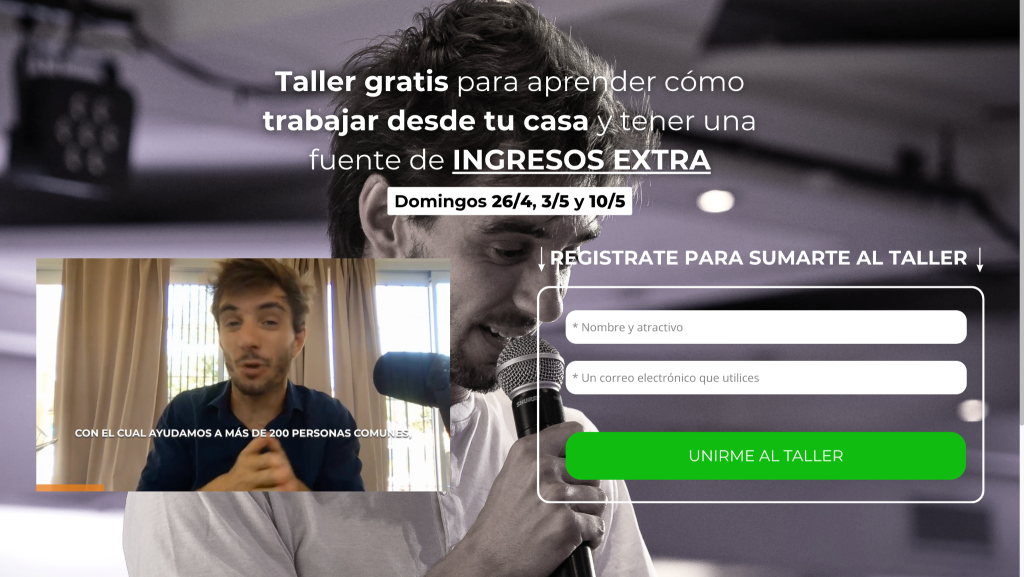
Next, the speaker appeals to greed or fear of missing out, backing it up with profit charts showing hundreds of percent. The main intrigue of the video revolves around the “closed nature” of the project and algorithms supposedly inaccessible to regular people.
The finale always showcases the technical solution—the platform interface with the balance—and closes the funnel with video testimonials from other users, including payout screenshots.
By 2026, you don’t need actors or studios to create a quality VSL. The entire process is automated with neural networks: ElevenLabs or Voice.ai handle voiceover and cloning, while HeyGen or Lalalu are used for generating video footage and lip sync.
Technically, such a funnel can now be built in a couple of hours, and we’ve done a detailed breakdown of why top buyers run crypto through VSL landings and how to replicate their success in a separate article: read more here.
Main approaches to crypto creatives
In this section, we’ll break down the current creative approaches that deliver the best conversion rates when working with crypto offers.
Crypto on Facebook technically works like a mix of gambling and nutra: there’s a target deposit and lead processing through a broker. The success of your campaign depends on how accurately your approach addresses the pain points of the audience in a specific GEO.
| “FB is the clearest to me and best develops pure marketing skills,” — buying team at OneCrypt. |
Celebrity news angle. Clips from news broadcasts or photos of local celebrities (politicians, businesspeople, actors) are used with headlines like “He hid this for years” or “Details of his rapid wealth.” On the pre-lander, the user sees a scandalous story about how the celebrity made millions on a specific crypto platform.
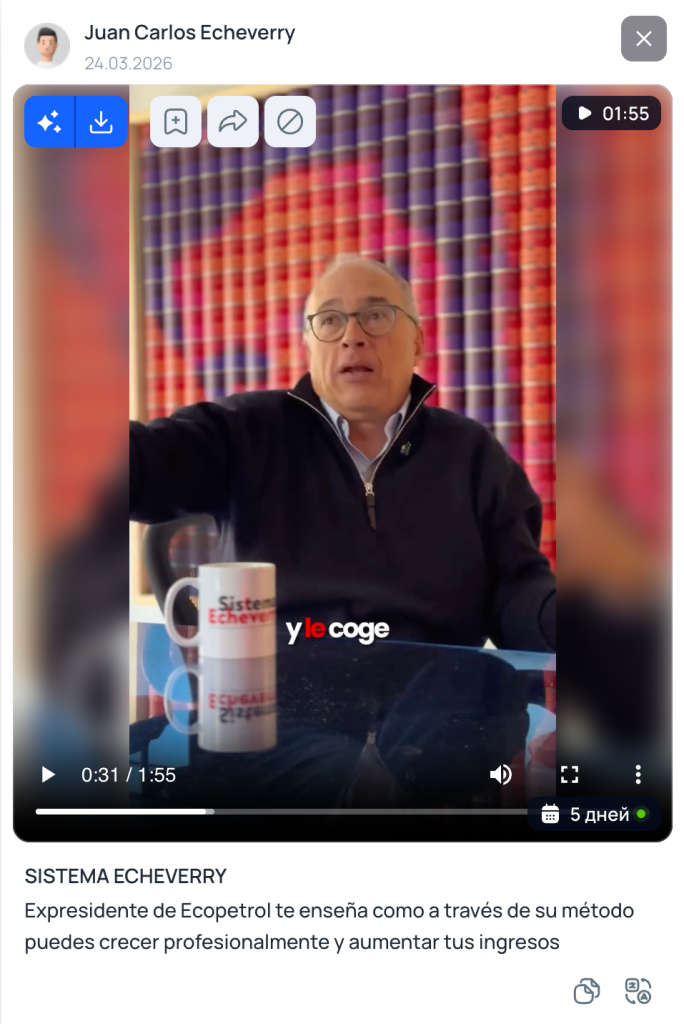
Oil and gas angle. The narrative is built around rising gasoline and gas prices. Users are offered to invest in state-owned resource brands or projects from major national companies. This approach builds strong trust in LATAM and some European countries, where people are used to trusting well-known local brands more than anonymous exchanges.
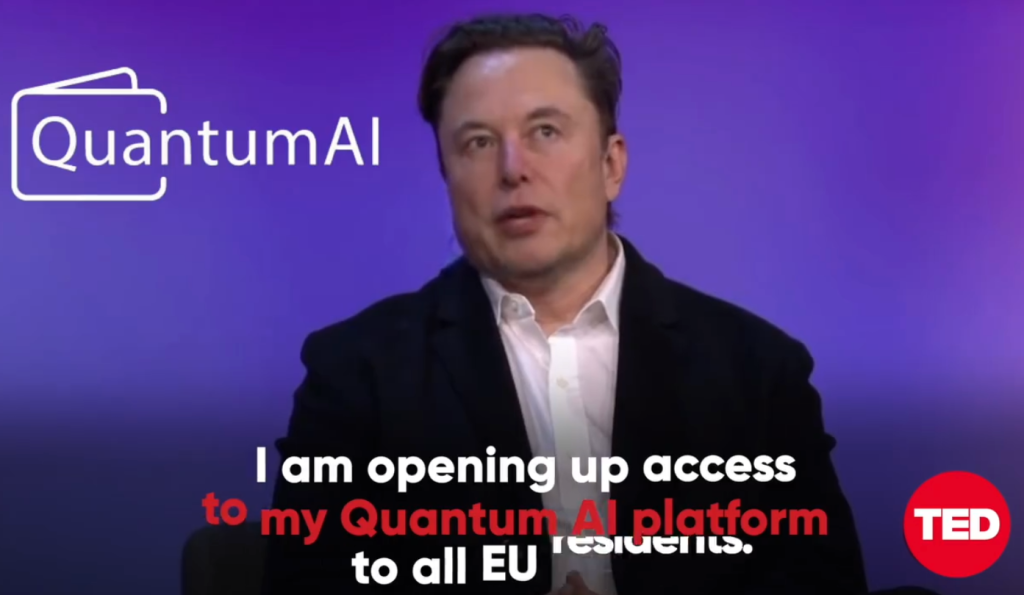
Investment with deepfakes. Here, celebrities (for example, Elon Musk or famous crypto bloggers) are presented in a positive light as creators or ambassadors of the platform. Deepfake videos are used in creatives, where the opinion leader speaks the GEO’s language and encourages investment in the project. This approach requires high-quality voiceovers and long video presentations on landing pages.
We’ve put together a detailed guide on which tools to use and how to create AI creatives for crypto yourself in a separate article.
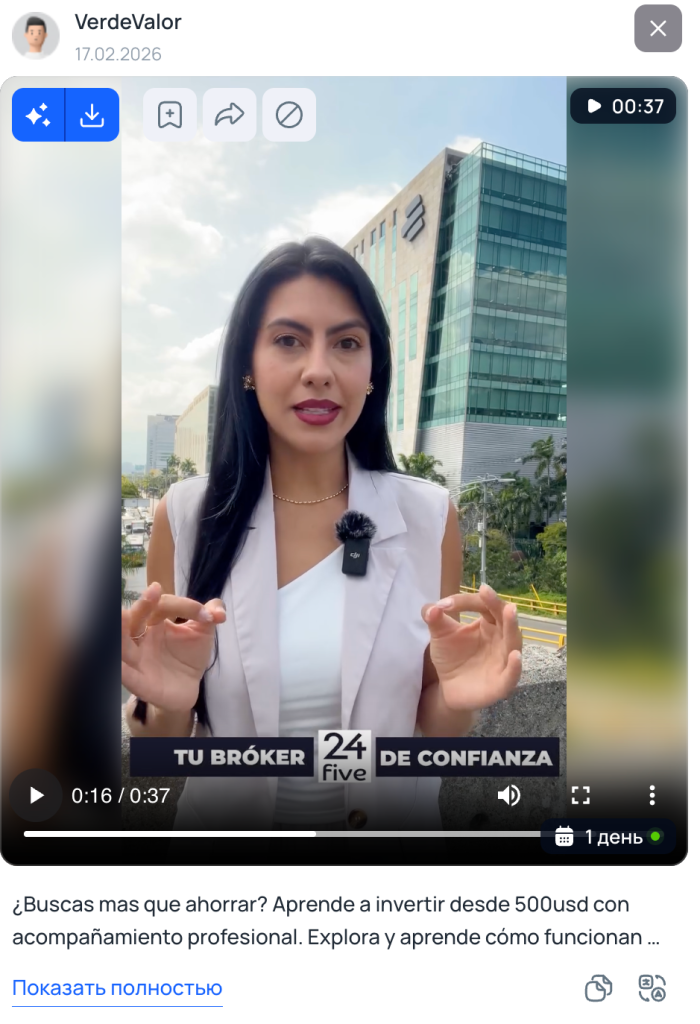
Refund approach. This angle targets an audience that has already lost money with brokers, on Forex, or in other crypto projects. Creatives offer a legal service to recover lost deposits. The funnel is complex, as it requires specific traffic handling, but thanks to working with a burned audience, it still runs steadily in campaigns.
Which GEOs are best to start with: Tier 1 or Tier 3?
In crypto, GEO determines not only the payout size for FTD but also the cost of data for Facebook*. In Tier 1 countries (USA, UK, Germany), the registration price often exceeds $100. Any platform turbulence or unsuccessful creative can drain the budget before the pixel has time to optimize.
For launching and testing in 2026, buying focuses on regions with cheap traffic and an audience loyal to investments.
| “I would start with Tier 3. Especially LATAM and small unpopular GEOs,” — buying team OneCrypt. |
Why LATAM and India are a priority
The main traffic is now being driven to Latin American countries (Mexico, Chile, Colombia, Peru) and India. The logic behind this choice is simple:
- Cheap testing. Thanks to low CPM in Tier 3, you can test 10–15 different creative angles for the same budget that would only cover one ad set in Europe. This lets you find a profitable bundle faster;
- Local payment methods. In LATAM, conversion from registration to deposit directly depends on the broker’s integration with Pix (Brazil), PSE (Colombia), and WebPay (Chile). Users trust these systems and are more willing to make payments through them;
- Low competition. Unlike the overheated European countries, in smaller GEOs the Facebook auction isn’t crowded with big teams. This allows you to stay profitable even with standard video funnels.
When choosing a country, it’s important to check with your manager about the availability of local payment methods. If the offer only accepts credit cards, conversion rates in Tier-3 countries will be much lower, no matter how good your VSL or creatives are.
Is it really possible to enter crypto solo now?
The crypto market in 2026 has become too complex for solo work. The main issue here is access to terms. Advertisers don’t want to give CPA networks to buyers without a track record, and working on CPL isn’t always profitable for beginners due to strict lead quality requirements.
| “I believe the market has become too complicated now. Two years ago, you could start solo. Maybe even now you can get lucky. But if we’re talking about steady earnings and flow — you can’t do it without a team. Even the basic issue of caps: no one wants to test on CPA every time,” — buying team OneCrypt. |
How many hours a day do you really need to work?
Teams have infrastructure and direct contacts with brokers, which allows them to get private rates and caps. For a solo, the lack of such conditions often means running out of working capital before the campaign pays off. Also, in crypto you can’t just set up ads and leave: you need to monitor traffic constantly.
| “You need to be in traffic 24/7 and think about it, otherwise there will be no results,” — buying team OneCrypt. |
What kind of earnings can a beginner realistically expect in this niche after six months of hard work?
Financially, you shouldn’t expect quick profits. The path in this niche starts with running campaigns at a loss — this time is spent figuring out which approaches pass moderation and how the funnel actually converts.
| “I think nothing but losses at first. If you’re lucky, at best you’ll start breaking even only after a couple of months. Achieving a stable income of 30–50% ROI is only realistic after six months of hard work,” — buying team OneCrypt. |
Working in a team shortens the testing period thanks to access to expertise and proven resources. This is the only way to scale in 2026 without risking your entire working capital on the first launches.
Conclusion
You can run crypto campaigns in 2026 through various funnels: from news-based approaches with celebrities to VSL landing pages and deepfakes. Crypto should not be seen as a niche for low-budget testing. This is a vertical for team efforts, where achieving 30–50% ROI is possible only after six months of running campaigns, thanks to access to high CPA caps and 24/7 traffic monitoring.
Facebook algorithms are constantly being updated, and the cost of data for pixel training is increasing. However, at the moment, the methods described remain effective and allow you to run profitable campaigns if you have enough working capital.