


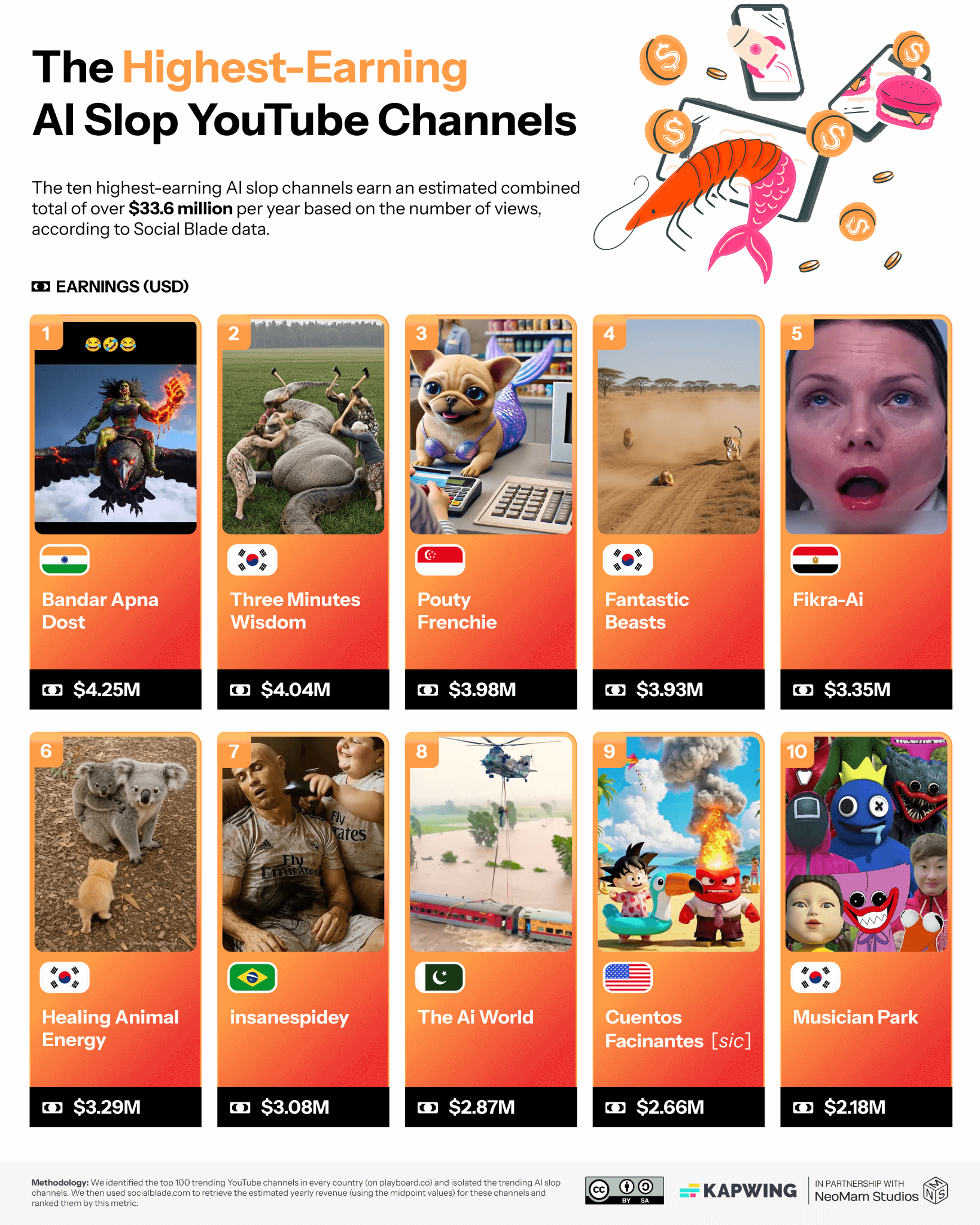
According to statistics, the top 10 YouTube channels with AI-generated content collectively earn over $33.6 million per year.
On YouTube itself, the share of such videos already exceeds 20% of all published content. It’s no surprise that affiliate marketers were among the first to start creating AI content.
Today, we’ll break down how channels with AI videos make money without showing faces, voices, or filming, and find out how profitable it really is.
What Makes AI Videos Stand Out
Traditional video production costs serious money. Ideally, you need a good camera and actors, write scripts, shoot, and edit all the content yourself. With neural networks, expenses are minimal: pay for a subscription to the right LLM, pick a tool to automate the process, and start churning out videos by the hundreds.
From a money-making perspective, this approach is much more profitable. In just a couple of days, you can quickly study trends, generate detailed scripts, create the content, voice it with AI, process it, and launch tests. Thanks to this, AI videos offer three main advantages:
- Low entry barrier. To shoot a decent video, you need to find a good actor, lighting, camera, location, organize the work, and then tweak everything yourself. It’s not only expensive but also complicated and time-consuming. A tool like ChatGPT, acting as an experienced videographer, will tell you how to “shoot” a scene so it looks professional;
- Speed of production. Actor got sick, camera broke, the person on screen can’t pronounce the text in another language—these are all problems of classic video shooting. With AI, you can set all the details at once: camera, angle, effects, lighting, speaker movements, speech tempo, facial expressions, language, and other important details. The human factor, which is usually the main source of problems, is reduced to zero.
- Scalability. Over time, even experienced video bloggers put content production on stream: dividing videos into categories, planning content blocks, presentation style, and so on. With neural networks, it’s even easier, since the whole process can be streamlined through automation tools.
Now let’s look at which niches are being targeted with AI videos.
Which Niches Are Targeted with AI Videos
Let’s say right away: you can target any niche you want. It’s important to understand that AI videos are just the start of the funnel. So, it all depends on the affiliate’s creativity. The rules of YouTube, the largest video hosting platform, do not directly prohibit AI content. So, you can later expand your funnel to Reels, TikTok, and other platforms. For example, here are three niches: iGaming, dating, and e-commerce.
iGaming
Old approaches with aggressive advertising still work to some extent, but promoting them is much harder now. Thanks to AI, moderation has become stricter and often bans such clips. That’s why some affiliates are getting smarter: they create “educational” content from the perspective of an AI mascot who shares various tips and tricks.
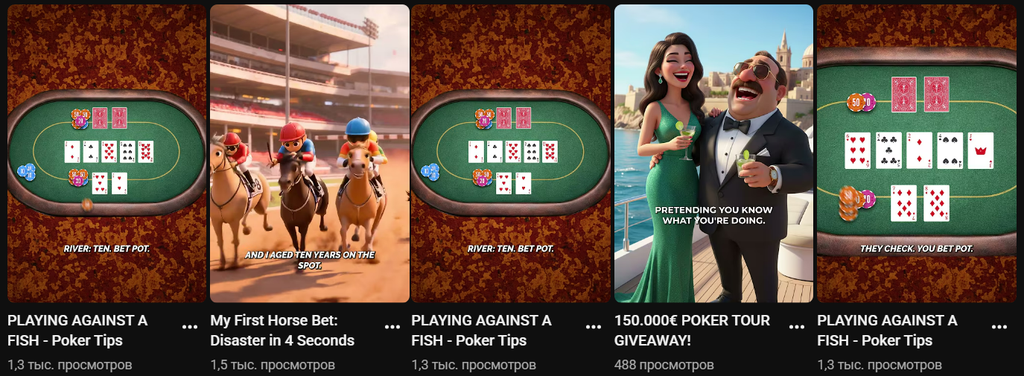
The standard format with scheme recording is also used, but not as often. The affiliate takes a video and then uses a neural network to insert it into the screens of various devices. For example, in Africa, a user is more likely to trust a familiar Tecno than an iPhone 16.

There is also an approach with AI avatars, where the creator offers a unique winning strategy.
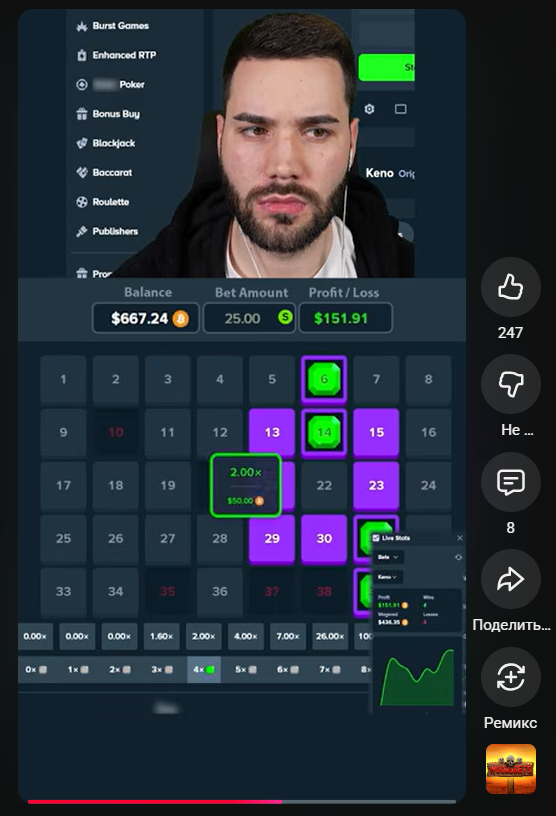
Traffic monetization is standard: payment is either by CPA or RevShare. But specifically in gambling and betting, there is a unique payment model based on individual terms—payment per view. This model is very common in Shorts, where a banner with the online casino or bookmaker logo and a promo code floats over the video itself.

There are no public rates, but on average, affiliate programs pay $0.6–0.8 per 1,000 views. This means you can earn up to $600 for a video with a million views. However, much depends on the quality of the traffic and its GEO: a million viewers from Tier-1 are paid much better than the same number from Nigeria.
Dating
In dating, the type of advertising depends on the offer format and available tools. The problem is that finding AI to generate explicit content is not hard, but making a borderline video to bypass algorithms is almost impossible. So the simplest option is to promote chat simulators with a real girl.
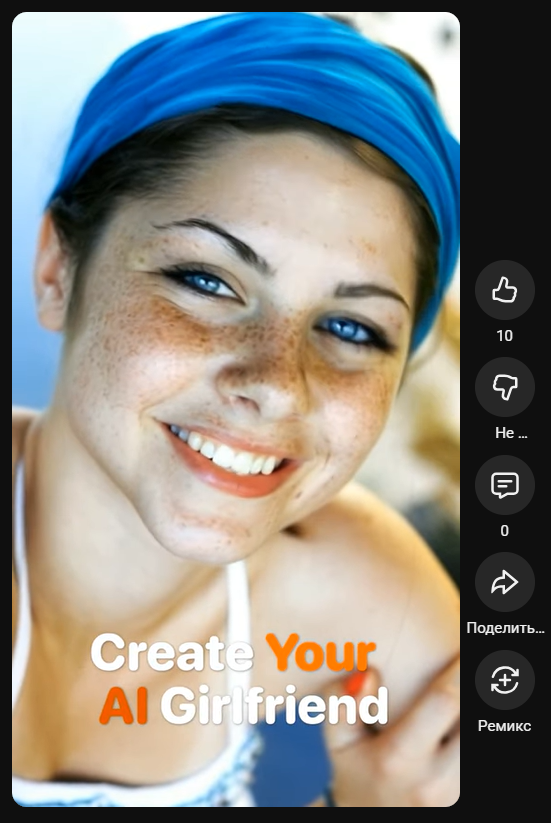
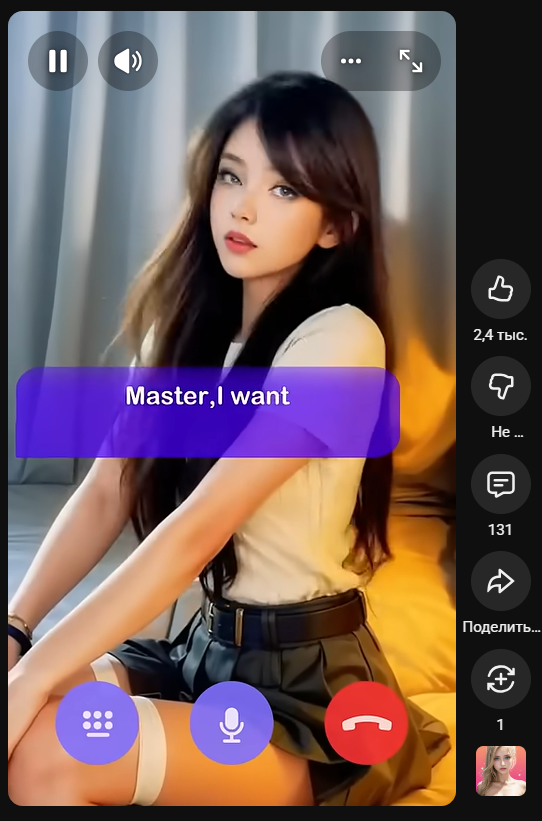
If the affiliate does not plan to push the offer aggressively, they can warm up the audience with videos featuring attractive girls and then redirect the traffic to a Telegram channel, Instagram, or another platform.
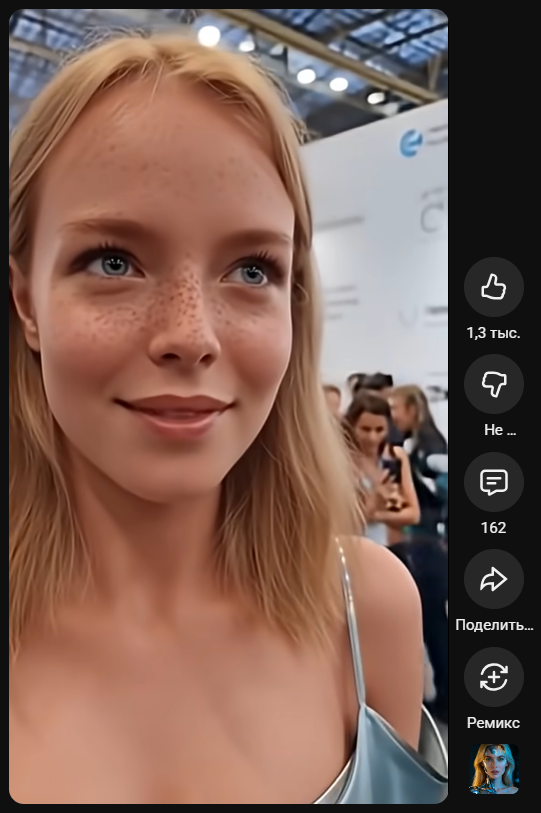
An alternative is to drive traffic to Fanvue or OnlyFans. For this, a separate model is created and then promoted through Shorts.
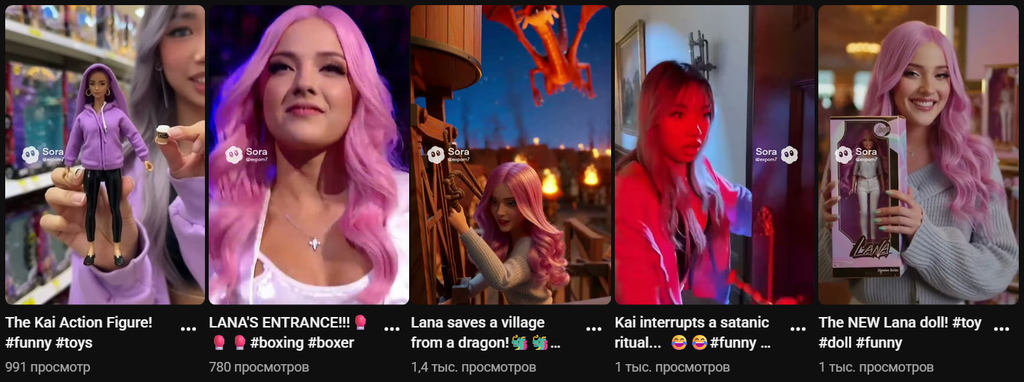
Theoretically, this is the most profitable vertical because the content is relatively neutral and bans are minimal. Thanks to this, you don’t have to regenerate working videos from different angles to bypass moderation and push content into recommendations.
Dating monetization is standard, just like for other sources. The main commission is paid for registration or for a subscription payment if we’re talking about AI girls.
E-commerce
AI can also be used to promote e-commerce offers. Currently, Sora handles this best, but at the end of April, OpenAI plans to shut it down. So it’s better to switch to alternatives like Veo.
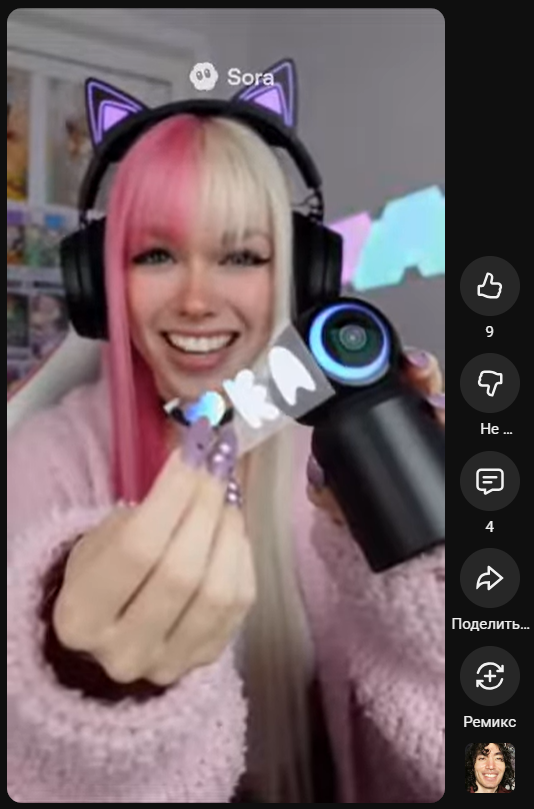
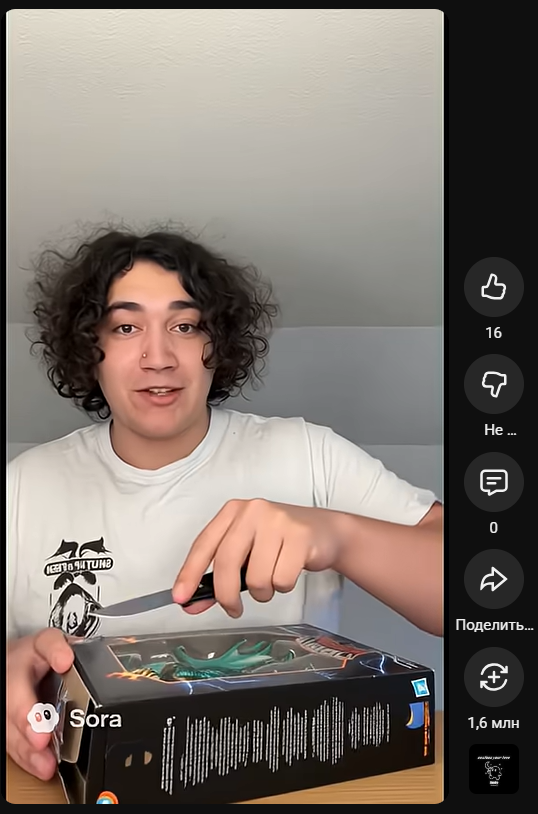
Almost anything can be an offer, but usually it’s either electronics or some not very detailed items.
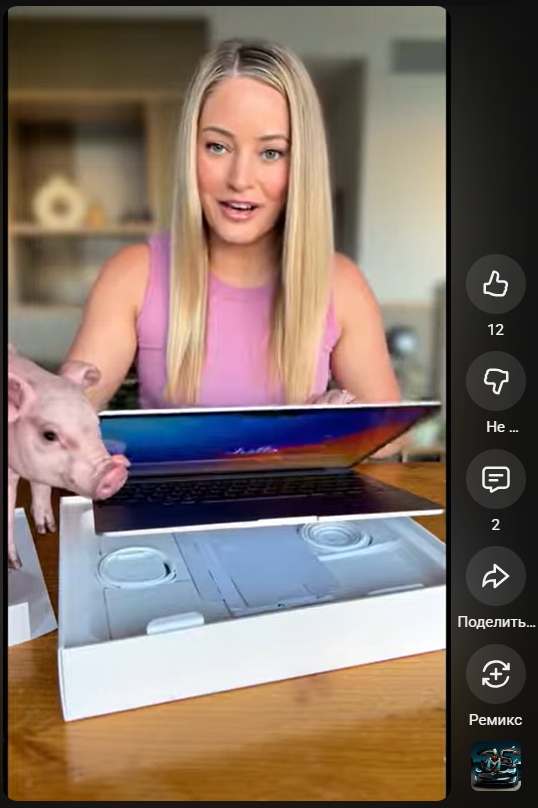
In terms of monetization, this niche is the most challenging, since the affiliate is highly dependent on the product’s reputation. With AI, you can create a beautiful video presentation of the offer, but still not get paid due to a low-quality product.
What a converting AI-generated video looks like
Let’s break down a specific scenario to see what a converting video might look like. ChatGPT generated the script for us. The blocks are as follows:
- 0–2 sec. You need to intrigue the viewer from the very first seconds. To do this, either press on a pain point or try to challenge the obvious. Text: “200% bonus is not always a gift.” Visual: a bright “200% bonus” banner, quick zoom, red circle on the number;
- 2–5 sec. Then immediately explain what’s coming next. Keep the intrigue going with a call to action like “watch for the one thing everyone misses.” Visual: the bonus banner slides away, a card appears with small text “Terms and conditions”;
- 5–20 sec. Break down the situation introduced at the start. For example, let’s take a wager. Text could be: “You see a nice number and think you just got more money. But the terms might include a x35 wager. This means you have to play through the bonus many times before it actually means anything.” Visual: first the banner, then a large “Wager x35” line, then a simple scheme: bonus → playthrough → only then withdrawal;
- 20–30 sec. Offer a concrete solution. For example, say: “That’s why you should look not at the percentage on the banner, but at the terms below it. Sometimes a 100% bonus with soft terms is better than a 200% one with strict terms.” Visual: comparison of two cards. Card 1 with “200% bonus, x35 wager” and Card 2 with “100% bonus, x10 wager.” Then a caption: bigger number ≠ better deal;
- 30–40 sec. At the end of the video, try to get a conversion: either offer a promo code for a trusted casino, direct to a Telegram channel with reviews of such casinos, or leave a link in the comments to a specific offer. Text: “In my Telegram channel, I reviewed three more types of bonuses and found a casino where players aren’t cheated.” Visual: link to the Telegram channel, promo code, or a pop-up screenshot of a comment with a link to the landing page.
If you want, this script template can be expanded into a more detailed shooting plan in the format of prompts.
How to Create Videos with AI and What It Costs
We’ll look at two options: without a speaker and with one. The first option is simpler and faster to produce, but don’t expect high conversion from it. The problem is that people are more likely to watch clips with other people. Creating an AI avatar is a bit more complex—you’ll need to animate and voice it separately, but it’s easier to hook the user.
Creating a Video Without a Speaker
Required services: ChatGPT, Flow, ElevenLabs, DaVinci Resolve or CapCut.
System cost: the basic minimum will be about $25 per month. For this amount, you can create up to 100 videos, each 8 seconds long, and voice them as well.
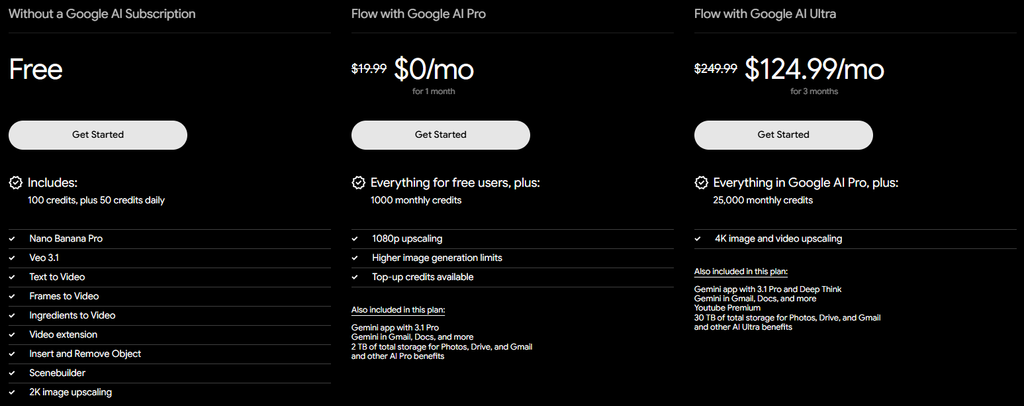
This is enough for testing: a 1-minute Shorts in average quality will cost about 140 credits. Moreover, you can find free options online by signing up with a student email or other workarounds. But for serious work, you’ll need an Ultra subscription.
If you run out of credits, you can buy more.
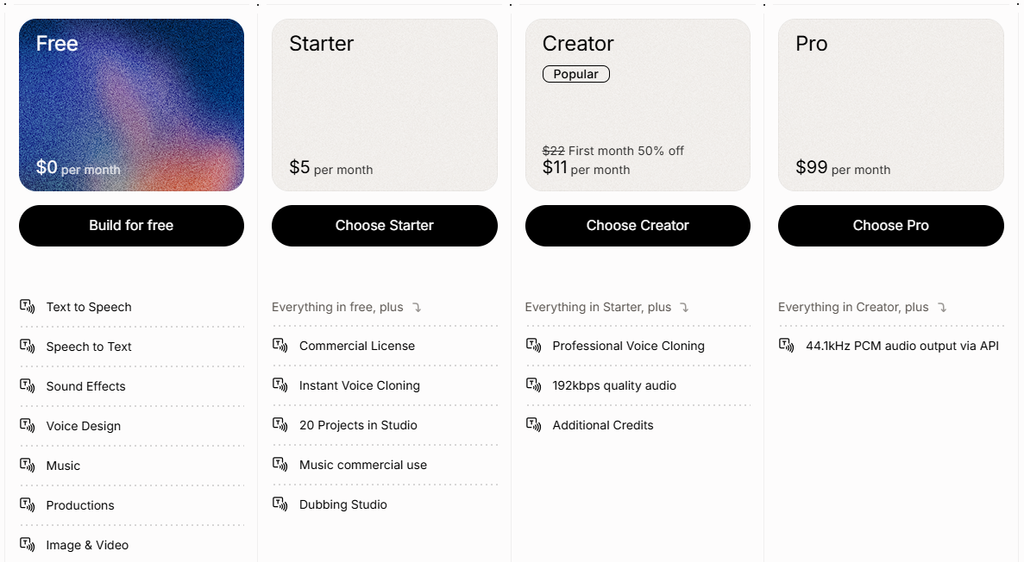
The second expense is voiceover. For $5, an affiliate gets 30 minutes of high-quality voiceover.
Editing is easier. DaVinci is free, as is CapCut. Even the paid version of an AI video editor can be found cheaply on a marketplace.
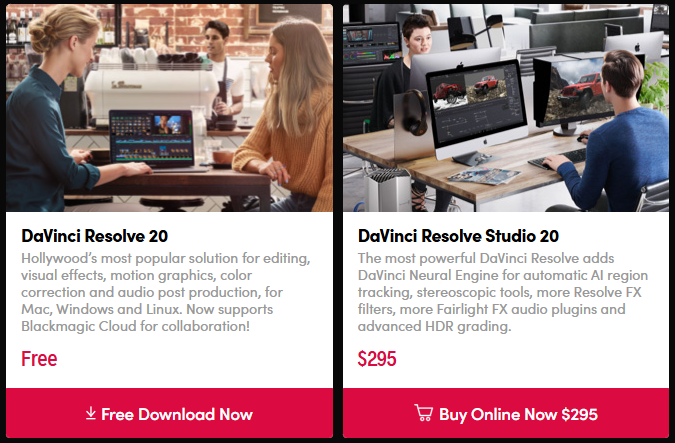
Best for: experienced media buyers who know how to structure a story in a video, and for those who want to run quick tests.
We haven’t written about ChatGPT pricing because the free request quota is usually enough. After paying for all subscriptions, head over to ChatGPT and sequentially assign three roles: planner, scriptwriter, videographer, and AI specialist. Templates are available here. This is necessary so all agents work together as a team.
Take the final storyboard as prompts and move to Flow to create the scenes. Once they’re ready, assemble them into a single video, then use ElevenLabs to generate the voiceover and overlay it onto the video.
Once the process is streamlined, you can automate it with n8n. Fortunately, there are dozens of workflow templates for this task available online.
Generating Videos with an AI Avatar
Required services: ChatGPT, HeyGen, Flow, DaVinci Resolve or CapCut.
System cost: the starter package will cost about $49 per month. Instead of ElevenLabs, the main expense is HeyGen. This is the service that generates AI avatars.
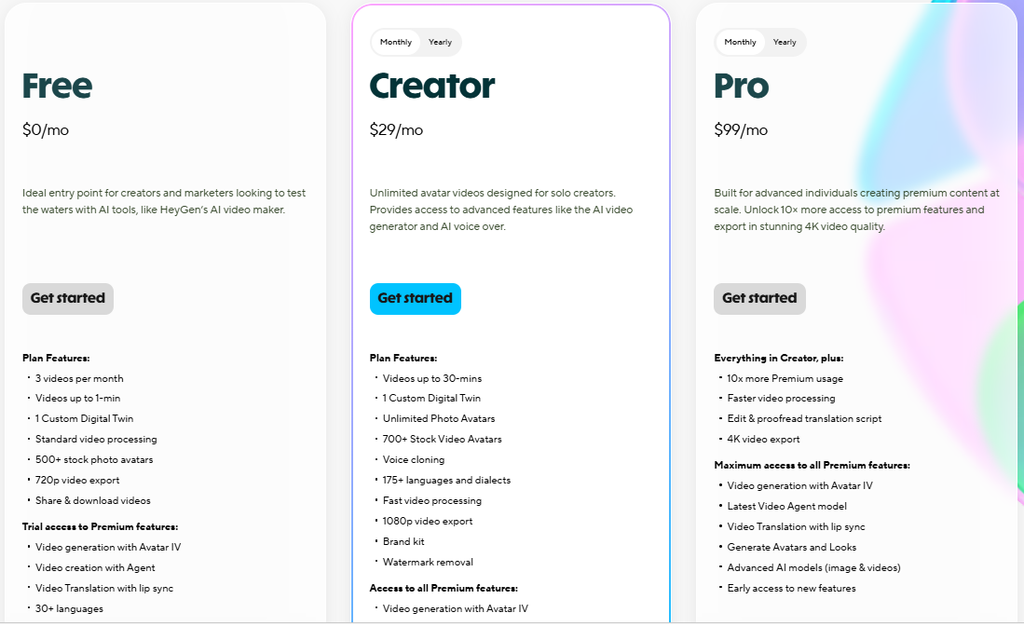
With the Creator plan, an affiliate can create an AI speaker in decent quality, who will voice the required text for up to 10 minutes. After that limit, you’ll need to purchase additional credits.
Best for: beginner affiliates who want to start with a quality approach rather than a quantity one. Editing a video that includes not only a background sequence from Flow but also an avatar is a bit more complex. However, this talking head will grab attention and distract viewers from possible flaws in the background visuals.
The workflow doesn’t differ much. But after creating the background video, you also need to generate the speaker. Ideally, the avatar should resemble a typical representative of your target audience. You can specify the voiceover, language, lip sync, and other details directly in HeyGen.
Case Study: 156,000 RUB from UBT on Nutra via YouTube
This case isn’t the newest, but it’s still relevant. The affiliate ran nutra offers from June to September 2024. Just on joint offers during this period, he got 7,558 clicks, which brought in 68 confirmed leads and 156,000 RUB in profit.

The logic for choosing an offer is simple: pick something that interests the widest possible target audience. For example, joint pain concerns both male and female audiences aged 55+. The only expenses were proxies for 99 RUB, YouTube channels up to 1,000 RUB, and an anti-detect browser. Optional costs included video thumbnails for 500 RUB.
The content selection principle is also quite basic: open Zen, find popular articles in the promoted niche, upload them for voiceover, and select background images.
You can find materials yourself, use Zenstat, or simply leverage ChatGPT with internet search enabled. After that, you need to come up with a smooth, native segue from the article text to the offer. For example, you mention the best time to plant tomatoes, then add that back or knee pain might occur while working. Such surprises can be prevented by purchasing the advertised offer.
The income statistics for the week from August and July turned out as follows.
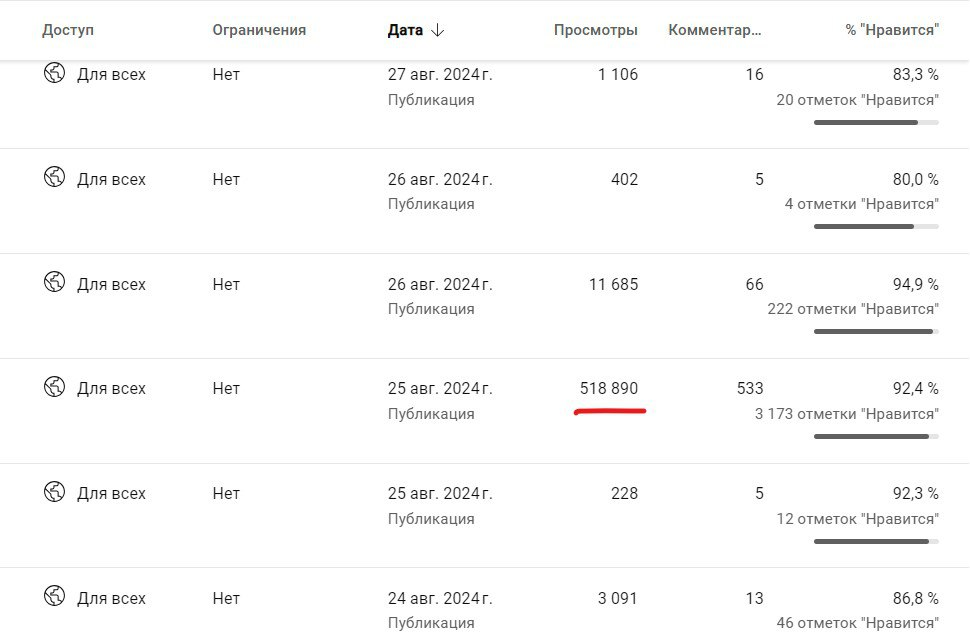
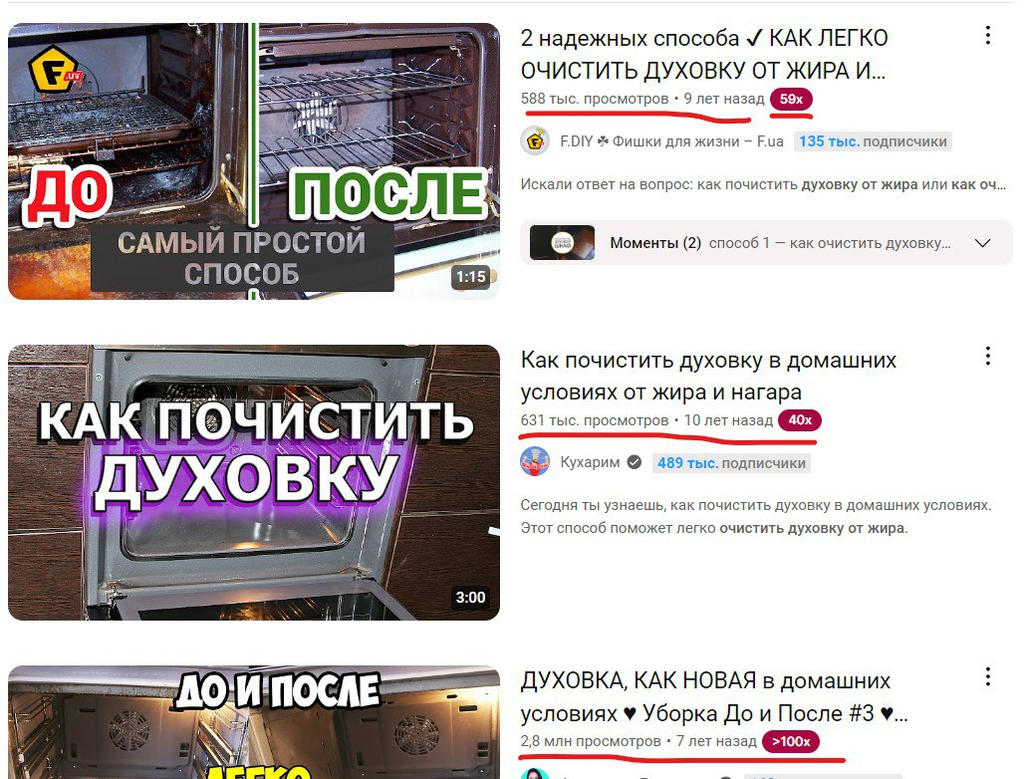
The author claims that profit depends on the affiliate’s creativity and chosen approach. On one hand, you can run scandalous niches that quickly gain views but also drop off fast when the hype ends. On the other, you can pick something everyday, stable, and routine that will interest people for years. For example, an aggressive niche is nutra, while a more neutral and long-lasting one is e-commerce.
Conclusion
By 2026, AI video has moved beyond being just an experiment and has become a full-fledged tool for traffic arbitrage. Its main advantage is not only reducing production costs, but also enabling quick test launches, scaling up working funnels, and adapting creatives for different audiences. In classic video production, an affiliate depends on equipment, actors, filming, and lengthy preparation, but with neural networks, they can build a content conveyor almost solo and quickly release dozens of videos to test hypotheses.
At the same time, AI video should not be seen as a money button. The final result still depends on the quality of the script, understanding your audience, proper offer packaging, and the ability to build a funnel after viewing. Some funnels work better through rapid testing and mass launching of videos without a speaker, while others benefit from higher-quality delivery with an AI avatar that holds attention and makes the ad more convincing. The optimal approach here is not to pit quantity against quality, but to use neural networks as a tool to quickly find a working format and then turn it into a stable system.

Comments (0)