

When an ad block on a website looks like an editorial recommendation or a “Read also” section, the ad feels like a natural continuation of the page. In affiliate marketing, this format is called native advertising (Native Ads).
Thanks to a high level of audience trust and the ability to build long warming funnels, native traffic is actively used for nutra, finance, e-commerce, as well as iGaming and dating. With the right approach, such campaigns can bring in thousands of dollars without the constant struggle with bans like on Facebook.
To help you avoid losing money, in this article we break down the specifics of native traffic in 2026, list the working verticals, compare key ad networks, and provide a step-by-step guide to campaign setup along with a real case study earning over $3,500.
What Is Native Advertising and How Is It Different From Teasers
Native advertising is a relatively new format for the CIS market, so it’s often confused with classic teaser networks. At first glance, they look similar: both use small images with short headlines. But the logic behind them and how the audience perceives them are different.
Teaser networks rely on shocking headlines and grab attention through intrigue. The user clicks on the image out of curiosity and is immediately taken to a page offering to buy a product.

Native advertising works through content discovery platforms. These are services that analyze the topic of an article on a site and suggest similar or useful materials to the reader.
The ad adapts to the site’s design: the system’s algorithms automatically select the font, text block size, and image proportions. That’s why the promo looks like regular site content.

The difference is also in the funnel itself. A native ad doesn’t offer to buy the offer right away. It draws attention to a problem or story, redirects the user to a pre-landing page with a useful article, and only then does the reader go to the offer’s landing page.
Advantages and Disadvantages of Native Traffic
Compared to teasers or push traffic, native brings in a more warmed-up audience and longer-lasting funnels. But in return, you’ll need a bigger budget for testing and more time to prepare your creatives.
Advantages
- Bypassing banner blindness. Users are used to ignoring classic banners and flashy labels. Since a native block looks like a preview of a useful article, readers pay much more attention to it.
- Resistant to ad blockers. Extensions like AdBlock block standard display banners and pop-ups by their technical tags. Native ads are loaded together with the main code of the site’s recommended articles, so ad blocker algorithms do not recognize them as ad units.
- Long lifespan of campaigns. In social networks, creatives burn out quickly due to repeated impressions to the same audience. A native article on a news portal can steadily generate conversions for several months in a row.
- Quality and high audience LTV. The user clicks through to the offer only after reading the material. The person already understands the essence of the offer, so these leads are more likely to complete the target action and bring more revenue in the long run.
Disadvantages
- High starting budget. Native networks require more money for testing than push or pop traffic. The minimum budget to test hypotheses starts from $500–1000, and major platforms like Taboola require clients to have turnovers of several thousand dollars per month.
- Complex funnel preparation. It’s not enough to just make a picture with text. The media buyer needs to prepare a full-fledged pre-landing: write an article, style it to match well-known media, add comments, and adapt the material to the language of the chosen country.
- Strict moderation rules. Large ad networks care about their reputation with site owners. You won’t be able to push aggressive clickbait, black hat nutra, or direct links to gambling—your account will be banned immediately.
Types of Native Advertising
The format of native advertising determines where exactly the user will see the teaser and how they interact with the material. Arbitrage uses four main formats:
- Recommendation Widgets. These are classic blocks with images and headlines at the end of an article or in the site’s sidebar. They are usually placed under labels like “Read also” or “You might be interested in.” The systems adapt the widget’s appearance to the site’s layout, so the teaser looks like a list of similar publications from the site itself.
- In-Feed Ads. Ad cards that are embedded directly into the news or content feed. As the user scrolls, they come across an ad card styled in line with the platform. In native networks, this format is often used as endless feeds (for example, Taboola Feed), loading new teasers as the page scrolls.
- Advertorials. Full-fledged articles, guides, or reviews published on an informational resource. The text is prepared according to the site’s rules, and inside the material there are links, buttons, or a lead form that direct to the offer’s landing page.
- Native video (In-Feed Video). Short videos that autoplay without sound within a text article or news feed. The video shows the product in use, a service demo, or a story, and clicking the player redirects the reader to a pre-landing page.
The choice of format depends on your budget and vertical. For buying large volumes of traffic through ad networks, widgets and feeds are more common, while full-fledged sponsored articles are used to warm up audiences in expensive niches.
Where to launch native ads
You can buy native traffic directly from website owners, through influencers, or via specialized ad networks. In affiliate marketing, ad networks are the most popular: they aggregate thousands of sites in one dashboard and provide tools to filter traffic.
Popular native networks
Taboola and Outbrain
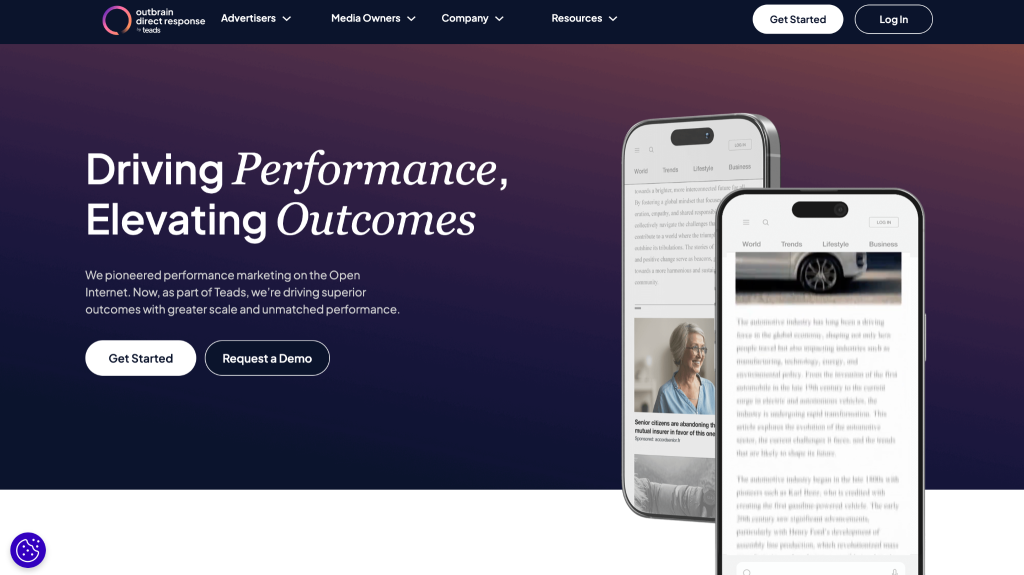
- Minimum deposit: from $100 on paper, but actually launching gray verticals requires $1,000–$2,000. The thing is, on Self-Service accounts, running the same nutra without a deep understanding of how the platform’s moderation works is very difficult. Mostly, manager accounts are used, which cost from $500 to $1,500 depending on the type.
- GEO: USA, Europe, Tier-1. Traffic comes from major media like MSN, Business Insider, NBC, and BBC.
- Verticals: white-hat e-commerce, finance, services, and white-hat nutra.
- Features: strict manual and automated moderation. Because of the expensive auction, entering with just a couple hundred dollars is pointless—the budget will be gone before you get your first leads.
MGID

- Minimum deposit: $100.
- GEO: LATAM, Asia, Europe, and CIS.
- Verticals: nutra, dating, e-commerce, finance, semi-gray gambling.
- Features: one of the most straightforward networks for affiliates. Most popular offers are accepted if pre-landers are properly prepared. A manager gets in touch quickly, even with small volumes.
MediaGo
- Minimum deposit: $100–$500.
- GEO: USA, Europe, LATAM.
- Verticals: e-commerce, nutra, finance, mobile apps.
- Features: DSP platform buying traffic via RTB auction from sites like MSN and Yahoo. Offers precise targeting and flexible bidding, but requires analytics experience.
RichAds
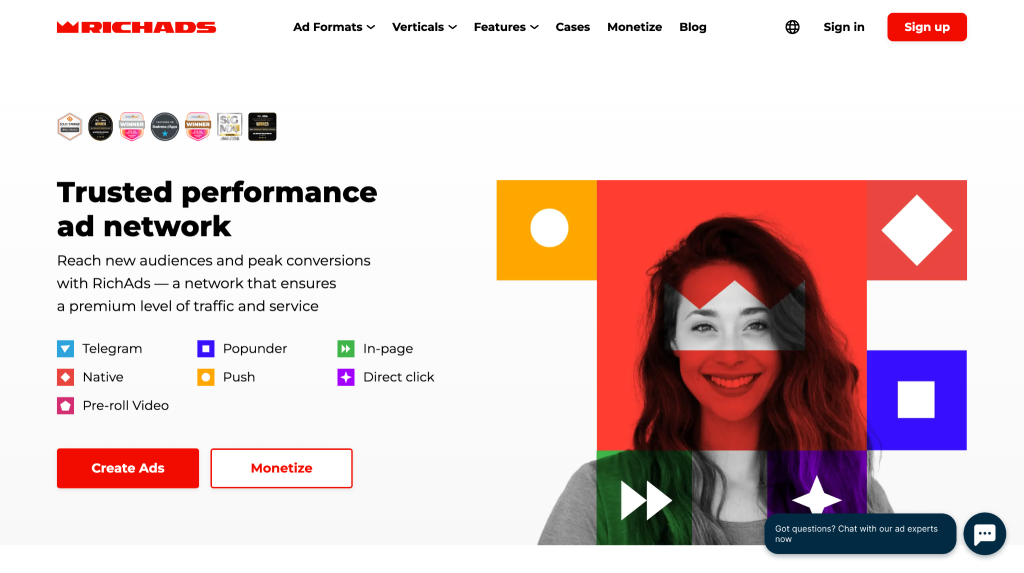
- Minimum deposit: $100.
- GEO: 200+ countries, strong volumes in LATAM, Asia, and Tier-3.
- Verticals: gambling, betting, nutra, utilities, dating.
- Features: multi-format network offering not only native ads but also push and pop traffic. Fast moderation, flexible rules, and useful features like automated rules and microbidding.
AdProfex
- Minimum deposit: $50.
- GEOs: CIS, Latam, Europe, Asia.
- Verticals: nutra, e-commerce, finance, gambling.
- Features: low entry threshold and lenient moderation. Suitable for beginners to practice testing pre-landers and campaign optimization without large budgets.
Types of Accounts in Native Networks
Working conditions and the level of campaign control depend on the type of account in the ad network:
- Self-Service (SS). The account is created manually on the network’s website. You set up targeting, upload creatives, and manage bids yourself. This is a quick option for testing, but there’s no manager support, and your account can be blocked for even minor rule violations. The minimum deposit usually ranges from $100 to $500.
- Agency accounts. A profile you buy or rent from intermediary agencies. These accounts are whitelisted in the network, so moderation is faster, and if blocked, you can return or transfer your balance.
- Manager accounts. The highest level of access, opened by a personal platform manager (for example, in Taboola or MGID). The manager helps with moderation, provides lists of working placements, and assists with optimization. To get such an account, you need proven experience and a starting budget of $2,000–5,000.
Key Verticals for Native Traffic
Native traffic is suitable for offers where the user needs to be warmed up with an article, story, or expert opinion. Depending on the niche, the content approach and pre-lander structure will vary.
Nutra
In native networks, classic nutra works through white and moderately gray approaches. Platform moderation does not allow shock content, aggressive teasers, or disease photos, so the focus is on benefits and personal stories.
This niche usually uses medical long-reads, interviews with industry experts, personal weight loss diaries, and self-care tips.
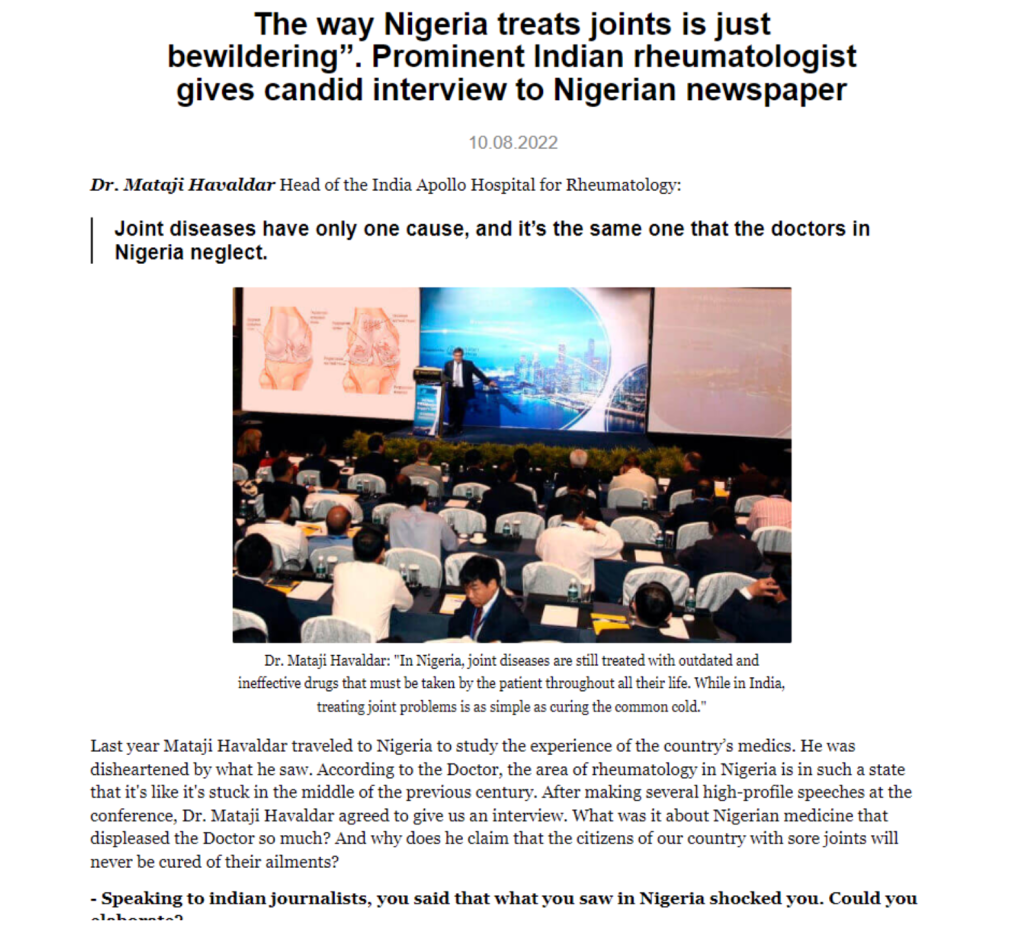
The user sees an announcement for useful content, clicks through to a pre-lander in the form of an article or interview, where an expert explains the cause of the problem and recommends a specific product.
| “I managed to push and run potency offers in Taboola for a long time. They didn’t reject or ban anything—everything still works. By trial and error, I moved from aggressive sales headlines to borderline phrases—none of those got through. In the end, I wrote neutral copy about intimacy, with no hint of sex in the images,” — Marat, author of the Telegram channel ‘Nutra Star’. |
Finance and Cryptocurrency
Financial products and crypto offers perform well in wealthy geos (Tier-1), where the audience is used to analyzing information before applying for cards or making investments.
Ad creatives often use reviews of credit products with breakdowns of cashback and rates, investment guides, financial success stories, and market analysis.

The ad teaser leads to an informational article analyzing financial tools, and throughout the text or at the end of the page, links are placed offering to apply for a card, open an account, or register on a platform.
E-commerce and Physical Products
For physical products, native ads work best through collections and user reviews. Users are more likely to buy gadgets and household items when they see them in a curated list rather than a direct product ad.
Most often, advertisers launch themed lists like “Top 10 kitchen gadgets you didn’t know about,” honest unboxings, holiday gift guides, and detailed device reviews.
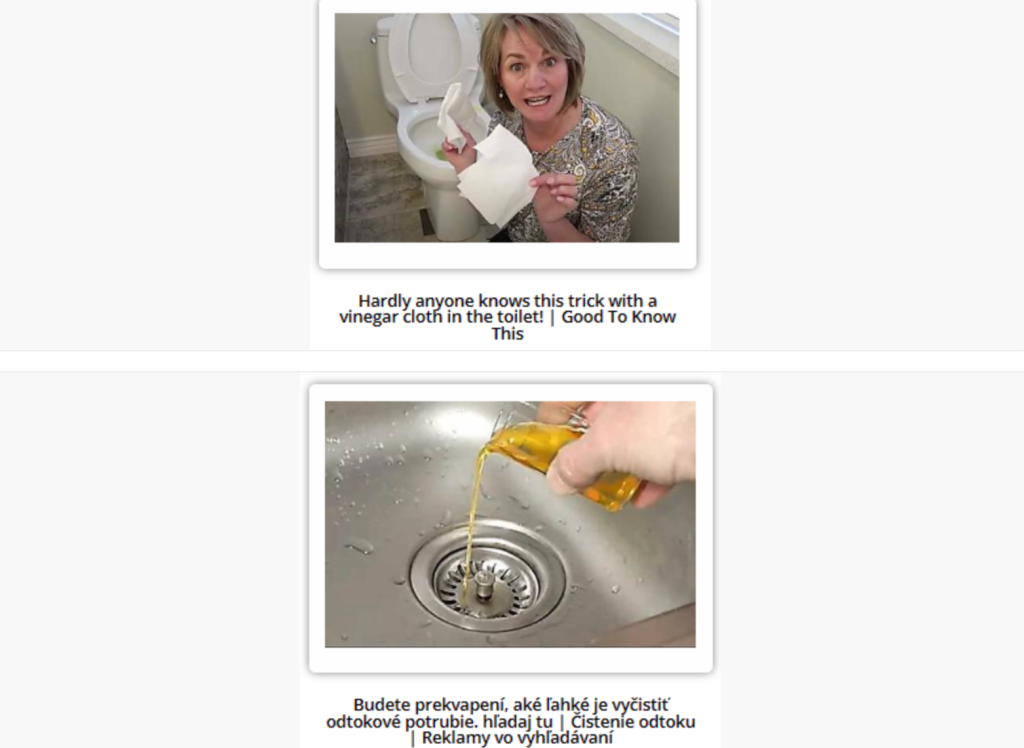
The reader browses a selection of useful items, with each entry linked to the product page in the online store.
iGaming and Dating (Gambling, Betting & Dating)
Due to strict moderation rules in major native networks, gambling and dating are promoted through indirect funnels. Direct links to online casinos or dating services don’t work here.
In gambling and betting, traffic is attracted through slot reviews with demo versions, sports news, match predictions, and strategy breakdowns.
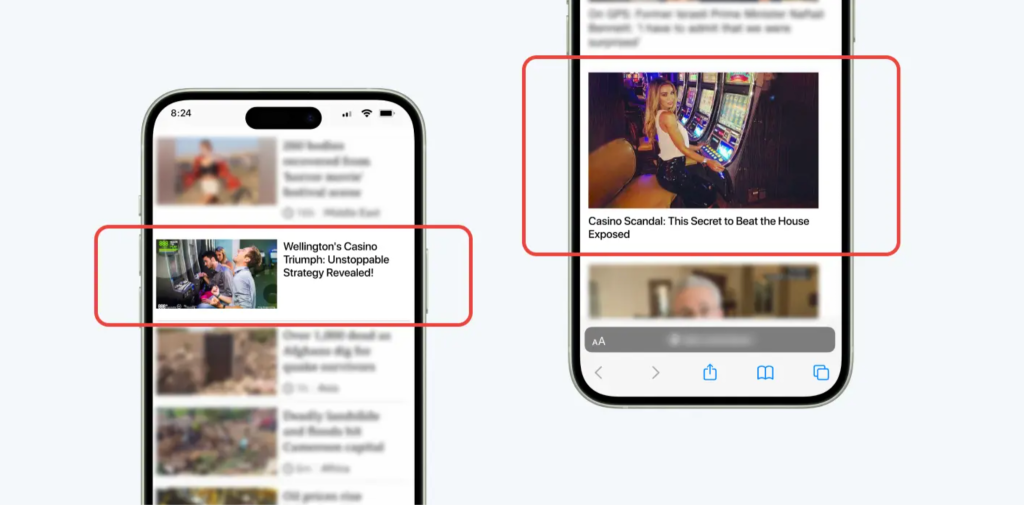
In dating, content often includes articles on relationship psychology, personality type tests, lists of places to meet people, and relocation stories. The user reads the material, where a registration link to a platform is offered as a solution or useful service.
How to Build a Funnel for Native Traffic: Creatives and Prelanders
Success in native ad networks depends 80% on the “creative + prelander” combo. Users aren’t ready to make a purchase right after clicking a teaser, so the ad’s job is to spark interest, while the prelander article’s job is to address doubts and guide the reader toward the offer.
Creatives: Headlines and Images
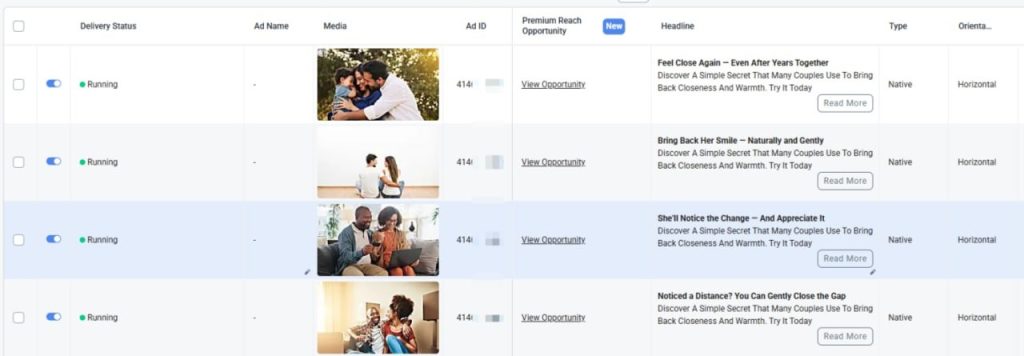
- Images. The best performers are authentic, natural photos that look like real-life snapshots or news report frames. The image should appear as if it was taken with a regular phone or pulled from a blog illustration. Glossy stock photos and renders have low CTR because readers instantly recognize them as ads.
- Headlines. The text should highlight the audience’s problem or pose an intriguing question. Formats like personal stories (“How a retiree from…”), practical tips, and surprising facts work well. It’s important to strike a balance: the headline should be intriguing but not cross into aggressive clickbait, as that will get the ad rejected by moderation.
Prelander (Bridge Page)
Sending native traffic directly to the offer’s landing page is pointless—the conversion rate will be zero. Readers click on ads for information or stories, so a prelander is used between the teaser and the target action.
Content format. The most common styles are news articles, personal blogs, expert interviews, or analytical breakdowns. The main thing is to design the page in a style familiar to the audience of the chosen information resource.

Article structure. The text follows a clear storyline. For example, in nutra, the article describes how someone suffered from joint pain for years, tried pharmacy ointments, and then found a doctor or a natural supplement. Expert opinions, illustrative examples, and offer links are seamlessly integrated into the content.
Social proof. The bottom of the page usually features a block with user comments. Lively discussions with questions, recent publication dates, and realistic reviews build trust in the material and nudge the reader toward conversion.

Localization. The content must be fully adapted to the chosen GEO. Besides proper translation into the local language, use region-specific names, local city references, prices in the national currency, and mentions of recognizable local pharmacies or stores.
Testing, Bidding, and Optimization
Entering native ads with a $50–$100 deposit makes no sense: that traffic volume isn’t enough for objective data. The minimum budget to test one hypothesis starts at $300–$500.
When setting up and running a campaign, follow these rules:
CTR and Clicks. The first conclusions about a teaser are made only after it gets at least 10,000 impressions and 50–60 clicks. Before that, looking at the CTR is pointless, as the numbers will fluctuate constantly.
In the same nutra vertical, a normal benchmark is considered to be 0.5–0.7% for joints and weight loss, and from 1.2% for men’s health offers. If the ad gets a lot of clicks but there are no conversions on the landing page, the problem is with the pre-lander: in this case, the pre-lander is changed or improved.
Starting Bids. At launch, set the average bid in the system or slightly higher. If you set the bid too low, the campaign will either get no impressions at all or will receive low-quality traffic.
Placement Cleaning. During the campaign, non-converting placements are added to blacklists (BlackList) manually or disabled via auto-rules in the network dashboard. Placements that consistently generate leads are moved to a separate campaign with a whitelist (WhiteList).
Case Study: Nutra Campaign on AdsKeeper for Mexico with 33% ROI
Let’s look at a specific case from a media buyer who tested a diabetes offer in Mexico through the native network AdsKeeper.
Key Campaign Metrics
- Offer: Diapsula (diabetes)
- Affiliate Network: OMNI CPA
- Traffic Source: AdsKeeper
- GEO: Mexico
- Run Period: 12.04.2025 – 12.05.2025
- Spend: $2,661.66
- Revenue: $3,547.00
- Profit: $885.34
- ROI: 33%
Funnel and Pre-lander Approaches
A ready-made funnel was chosen for the campaign, with no cloaking used. Two pre-landers were split-tested:
- Classic version featuring a respected local doctor.
- A story about a Japanese scientist and his method for fighting the disease.

The pre-lander with the scientist’s story showed a 20% higher conversion rate than the standard article with the doctor. Additionally, an interactive mini-quiz with a “choose your door” mechanic and a discount giveaway was integrated into the pre-lander, which helped boost the page’s CR.
Creatives and Settings
Traffic was purchased only from mobile devices; desktop was disabled immediately. The teasers used real-life images: photos of plants, nuts, roots, and test strips.

The headlines focused on hidden causes of the disease (“Drink this — and get rid of diabetes in 7 days,” “Diabetes is not caused by sugar! Find out what really causes it”).
The initial bid was set at $0.025 per click. The network manager helped speed up hypothesis testing by immediately providing a ready-made whitelist of placements for the nutra vertical.
Optimization and Conclusions
The campaign was optimized using the ad network’s auto-rules: if a site spent more than $6 per week without conversions, it was automatically disabled. At the same time, bids for individual placements were manually adjusted, cutting off sources with cheap but low-quality traffic.
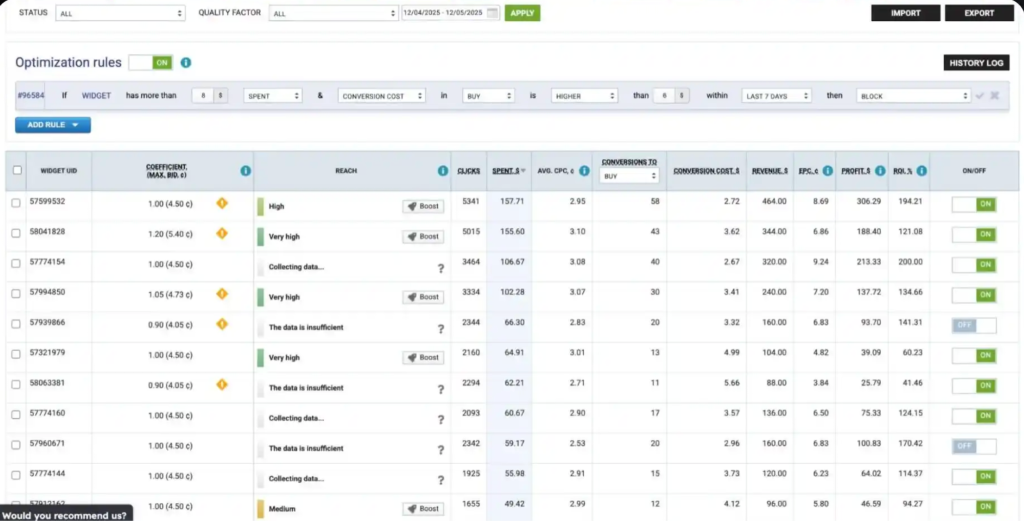
This case shows that native advertising can be profitable even with basic setup, as long as you prepare a well-developed pre-landing page, a proven offer, and a relevant list of sites in advance.
Conclusion
The main feature of native ads is the high entry threshold in terms of budget and time. Trying to launch with a couple hundred dollars is pointless: the balance will run out before you can cut off non-converting sites and refine the pre-lander.
To avoid wasting money, it’s important to start with a proven offer, split-test approaches on pre-landers, and regularly clean up placement lists. With this approach, native traffic becomes a clear source with predictable results.

Comments (0)